0:00 / 0:00
Bitachon 73 - Always Remember Hashem
710 views
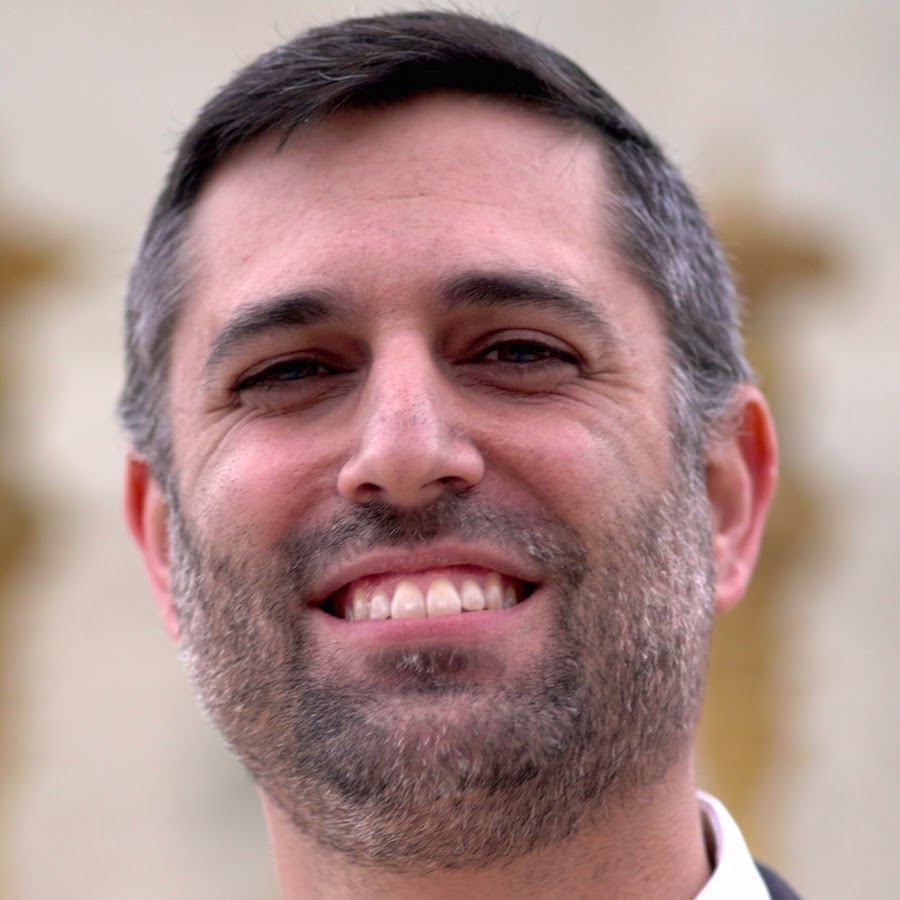
Our power is in our prayer, through which we constantly remember that it is Hashem Who provides for all our needs. We need only trust in Him, and not in any human being. We also speak about kavana and prayer - directing our confidence toward Hashem.
Categories:
Music
Comments(0)
Transcript
Auto-generated transcript. Not time-synced to the video.
you're listening to the 73rd edition of
the be talking podcast and we continue
levy simmons said in the name of ishmael
call me
secretly whoever trusts in hashem
they take on
a certain characteristic
like hashem himself as it were
where do we know this from
hashem
blessed is the person who trusts in
hashem
hashem will be his trust
so how does this work
right a person who trusts in hashem how
does that make this person have a
certain characteristic like a kurdish
boroku
but if in zenith says the marzu
that it's in this way it becomes similar
to hashem
because when that person trusts in
hashem so hashem saves the person from
whatever is ailing him or troubling him
yes eliana la col
which makes that person higher than
everyone else or higher than everything
right if you knew if you could guarantee
that no matter what's going to happen
you're going to be saved you're going to
be
everything's going to work out well for
you
so
that's
a parallel to the way kurdish boroku
is in his relationship to the world
hashem is beyond higher than more
powerful than any circumstance any
reality
and when a person has be taken
so they become higher
than all of reality
shifts
so then the person becomes just like the
idolatry
in
sam
like them will be those who make them
right what is the characteristic of an
idol an idol the idol has no power of
its own
the idol has no intrinsic power
any possible power that it might have is
something that's given to it by humans
the honor that's given to it by humans
community of samians that whoever
worships idolatry or worship worships
other people
also becomes like that person which
means or like the idol which they have
no power the person who trusts in
trust in hashem they have all the power
that there is they become higher than
everything else because they have hashem
empowering them
okay that's the major shrab in dwarm
and
there's a similar concept here as well
these are our sages teach us
there are three things
hashem placed his name upon these three
things
even though they're negative
what is this meena tom the atheist
explains the reason is
these three things their sin is very
great
but nevertheless even though they've
done a great sin hashem does not turn
away from placing his name upon
that evil she's
the divine attribute of justice i'm
sorry the divine attribute of mercy to
justice
hashem is rejoicing she rejoices in
their downfall he doesn't want there to
be justice right these particular three
people i'm not sure exactly who it's
talking about but these circumstances so
they're trying to bring upon the world
that they're trying to bring upon
themselves
the divine attribute of justice hashem
doesn't deny that but hashem wants those
people who are bringing about justice
to fall because he wants there to be
rachman he wants there to be mercy mercy
one of those three is somebody who
places his trust in a human being
hashem
this is what hashem says curse is the
one who trusts
in a human being
hashem says this right he says
that it's cursed a person is cursed this
way now sham yes surely
why because he's turned away his heart
he's taken away his heart
from hashem from godliness
a messiah who arrow when is he
considered cursed
we completely we're going to see what
this means exactly they tasted it's
going to explain where the person
completely takes himself away
from his
from his trust in hashem
rather he places all with trust in his
own his own self or
in others other human beings
but let's see there's a very interesting
thing because you have two extremes
it's not clear
as we'll see exactly what's the middle
ground
maybe there is no middle ground
it says it says with silent this means
to say
you have a middle case one person
completely removes himself from hashem
one person completely places his trust
in hashem doesn't do any ishita doesn't
put in any efforts
and you have the middle ground which
we're going to see is represented by
yosef which is he didn't completely take
his heart away from hashem
but he does do some kind of vistales he
does put in some effort
for example
and indeed in the end he was but he
thought he needed to do something in
order for the cup bearer the wine man of
paro he needed to he asked him please
remember me don't forget me
but he put in too much efforts
he felt like he needed this person to
help him he's going to be the one who's
going to take him out so we need to do
something
so that type of effort is not included
in the concept of someone who's cursed
the person who's cursed is someone who's
completely removed his heart from hashem
yesterday
it's where he completely removes his his
faith from hashem they
he
puts in efforts and he thinks it's going
to be his efforts that accomplish it
someone who places his trust only in
hashem
in
he doesn't seek out any kind
of
this any kind of efforts
right so who's on the highest level the
bar of the person who as we said before
is like akadeshwar who is like god he
rises above everyone else that's the
person who doesn't put in any effort
okay so it's not just madrigal who
speaks about this idea it's the atisf
so that's called someone who's blessed
that's how a person merits to have a
nace a miracle to be beyond teva if you
do an action we really not an action if
you engage
in betahn
in your faith with hashem
with a pure heart i'm not going to do
anything hashem you're going to do this
for me
so then
[Music]
that person is called blessed
and blessings are much higher blessings
come from a higher place right
each of the letters of the word barak
bay is reshaft days is two ratios two
hundred huff is twenty each of them
denotes doubling
from a higher place
it says blessed is the person who trusts
in hashem
when is that person blessed it's when he
completely trusts in hashem when he
completely has full faith
that hashem is going to be the one who's
going to provide for him and he doesn't
put any efforts on his own
was punished
because he took the middle path right
joseph was
as we spoke about in the madrigal he was
meant to be a leader of the jewish
people he's meant to be a leader of
nations you can't be a true leader
unless you're fully talking
i make no efforts i'm not trying to do
things myself i'm not trying to believe
that this is how it's going to come and
i have to
make sure that that guy doesn't forget
me
he should have had absolute faith in
hashem he should completely trust in
hashem
says he had to be in jail for another
two years as we talked about in order to
learn this lesson that
in order to be a true leader of the
jewish people in order to see
blessings in his life
he needed
to
steer away from any kind of efforts or
overdoing the efforts i would say
it's very interesting because you can
sometimes perceive it it's a very deep
lesson for me asafoetida because
sometimes you look around you see hey
this restaurant wants me to go this is
what hashem wants me to do
it seems like this is where he wants me
to get parnassa from let's say
but
i need to be extra careful i don't try
so hard
yeah hashem is leading me this way yeah
but maybe not
maybe that's not where it's supposed to
come from
i need to always like
like
be open to what hashem is trying to
bring be open to
the blessings that she wants to bring
into my life be open
to
where hashem is leading me but be
careful
not to get too excited oh here we go
let's go i'm going to do this
can't that's that was just a mistake
that's something we all can learn from
that's something we all can take home
being careful
we recognize we need a status we need
efforts
but how far do we need to go
to always step it back a little bit we
need to always do it with caution
we need to find the balance
okay now we have another piece which
also brings this passwork
says in ishaya
in isaiah chapter 41 verse 14
do not be afraid
o worm of jacob
very interesting what is this idea the
jewish people are referred to as the
worm of jacob
what is the worm of yaakov
mate last zoo ain't making arizona
how does a worm attack a tree
right
there's a tree the worm breaks through
the tree worms his way through the tree
how does he do it
the way that he attacks the tree is with
his mouth
the jewish people are referred to as a
worm because
our power how do we attack the tree how
do we attack
the situations that we come across it's
with our mouths
the jewish people we use our mouths
we don't bite through the problem of
course we pray through the problem we
ask god to help us
hashem
i'm having trouble here
i'm faced with a challenge
i'm having difficulty
hashem
now let me get through this hashem help
me get through this hashem we go through
this
we keep being
mispal we keep praying
instead of
overdoing using his mouth to ask
the saramashima he should have continued
as was his way
to say hashem do this for me i shouldn't
do this for me
the
the city of shechem
was given by yaakov by jacob
to yosef and he says how did i acquire
that city
i acquired it from the amoyri
with my sword
and with my kesha with my
bow and arrow
is that true did he really get the city
of shechem with his
arrow with his
kherev
with his sword
like
will not trust in foreign sword i will
not be saved i will not be successful
with my bow and arrow
that's not what saves me
melee knew that certainly yaakov
so what did he mean
[Music]
with my sword what's my sword my sword
doesn't mean a literal physical sword it
means my prayer perhaps with darshan it
says
the word which refers to the amorites
can we wear darshaning it could be
understanding to mean
the words that i say
kharbi there's a there's a you know we
talk about
uh kavona we talk about
praying with intent with direction
right
then
means to direct our prayers but it's
also the same word that's used
when you want if you want to
direct you want to get into your
not in the modern hebrew to your sights
you have a gun you want to shoot
something you have a bow and arrow you
want to aim it so that's kavana
right but
you got the direct to point your sword
in a certain direction in order to
accomplish what you need
so the twilight is what that was yaakov
used that was his power that was his
weapon
beautiful drastic
which can mean
the the bow and arrow can also be read
baka bakashwasi
my request
and i wrote here on the side that
perhaps we could say bihar b
which means my which means my sword can
also be translated as bakhar be
hashem chose me
it's my chosenness it's my awareness
that hashem loves me that she cares
about me hashem chose me wants to hear
my feelings he wants to hear my prayers
that's
that's what yaakov avinu used
it was his prayer it was his
requests it was his turning towards the
kodesh barcode hashem that allowed him
to succeed and to acquire the city of
shechem
which he then bequeathed to yahseth
it's so beautiful he joseph what is it
you know you think about it what is it
that yaakov gave over to yosef what did
jacob give to joseph
what was the spiritual inheritance that
he gave him it was the power of prayer
shem
somehow represents prayer it represents
the prayer the tvilla the requests
the using one's speech
in order to attain what one wants but by
requesting it of hashem
and this message also ends up with our
pastor that we mentioned before blessed
is the one who trusts in hashem
cursed is the one who trusts in a human
being so we see
that
we need to direct our trust our trust
you know think about it our trust is
where we think things are going
i i'm confident it's going to be a
certain way i'm confident i'm going to
get a certain thing i'm confident it's
going to i'm going to succeed
that confidence is the direction
it's the direction that we're headed
that's what
is it's where we're going
it's the cavanaugh tfilo it's the intent
and the direction of prayers it's the
uh
means i don't want to be facing human
beings i don't want my direction to be
towards people
doesn't mean that i can't engage with
people doesn't mean that i can't
involve people in whatever it is that i
whatever goal i want to reach
but what it means is where is my main
vital where's my main confidence where's
my main carvana
excuse me
where am i headed
where am i going
one more time
i'm going towards
i'm going towards god my intent
is hashem
one more little piece here
he quotes the puzzle against
pasik says
david tells us that
who is the one who people trust in all
of those who are in the far reaches of
the sea
the far reaches of the sea
distant oceans
sorry the far reaches of the land in the
distant oceans
says the major
you are the people who are very strong
you are the one who they trust in
what does that mean
a person goes on the path
a person goes
on a journey
gets on
a wagon doesn't know exactly who's going
who's going to protect me gets on a boat
who's going to protect me from the
raging storming seas who's going to
protect me from the winds that are
blowing he's going to
who's going to protect me
from
the sheida dem on the path
the marauders the dangers that
can come
any person any normal human being when
they go out they know they're facing
danger
they just trust in hashem
those who go out to sea those who go out
in their boats
they know they're in danger where does a
person
turn when he's in danger the human being
naturally turns to god there are no
atheists in a foxhole
there's no atheists when a person faces
off with death you just say hashem help
me hashem protect me.
a person who goes out
in
a caravan he goes out on the
in the into the wilderness he knows that
there is great danger
so hashem is the one who that person
trusts
so even though that person might even be
strong and mighty might even be a
powerful person right who's going out
indeed
into
all of these places it's gonna be
somebody who's powerful it's gonna be
someone who
is strong and believes in himself that
he can survive the wild
but nevertheless that person knows that
they cannot survive by themselves they
can't do it on their own they can only
do it with that kudos burku's help only
with hashem's help it's the only way
that we can succeed
hashem is the mifta hashem is the one
who everybody turns to
when they have trouble
it's just disgusting today
we'll be talking group
turning to hashem you know as we spoke
about last week as well
turning to hashem in a certain sense is
easier when we're facing off with a
challenge with the difficulty facing off
with the waters
rushing up
facing off with the
wilderness all around us
but can we have bitaken
when things are a little you know i can
do this i could do this myself that's
kind of the lesson of of yays of assad
in a certain sense he saw that hey it's
right in front of him the question is
can i
remember then at that point in that
moment
things are not so hard for me
sometimes they're harder sometimes
they're less hard but do i remember
hashem in that time
it's a different kind of challenge
to i think a deeper challenge to
remember hashem to remember hashem to
remind ourselves it's hashem who is in
charge can i as i'm trying to do
something which i think i can accomplish
can i remember to turn to hashem help me
with this
hashem help me with this
so i'm reminding myself
and
perhaps we can remind each other
to whom do we wish
to direct
to direct our prayers to direct our
confidence
only to
hashem should help us all to be able to
focus our
trust our confidence
in him not in ourselves
and not in any other human being
thank you so much for listening see you
again next time