0:00 / 0:00
Chazzan Eli Marcus
827 views
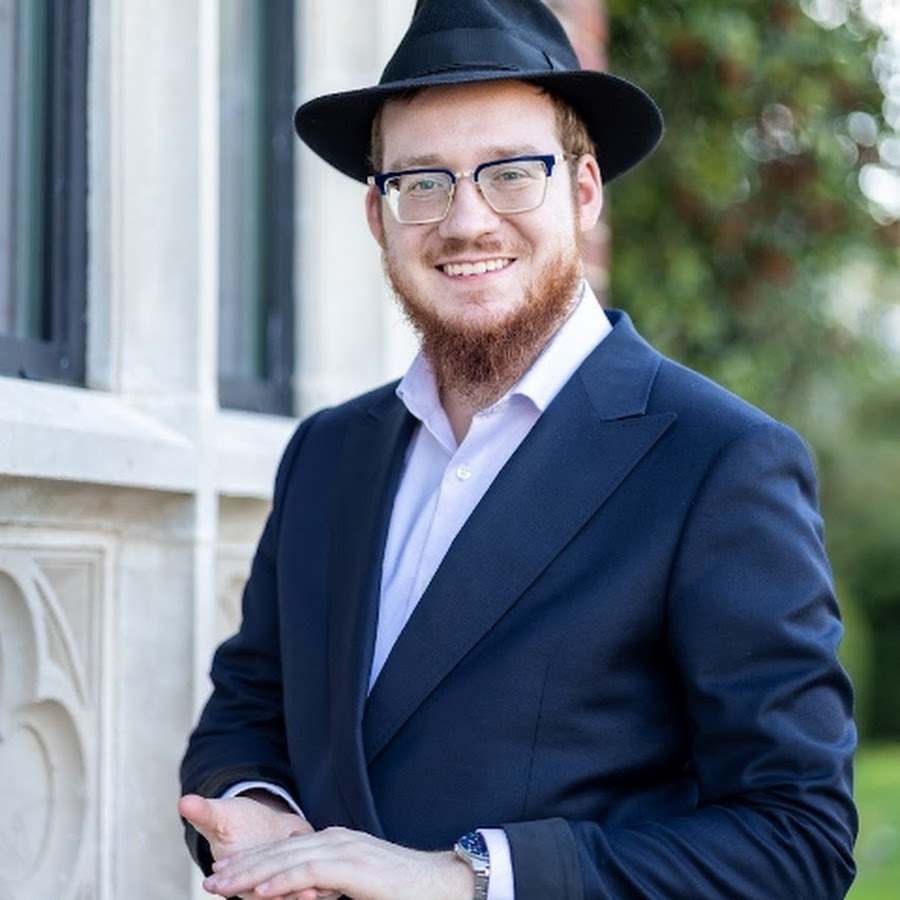
Featuring:
Eli Marcus
Comments(0)
Transcript
Auto-generated transcript. Not time-synced to the video.
[Music]
[Applause]
do
[Music]
foreign
[Applause]
[Music]
welcome ladies and gentlemen and thank
you for joining us
on this journey through the songs and
stories of the high holidays
you know our high holiday service didn't
always look like this
back in the times of the holy temple the
khan him and levine and of course the
koen gadol the high priest performed the
service
throughout rosh hashanah and yom kippur
but after the exile 70 years in babylon
the jews came back to the holy land of
israel and they had forgotten the art of
prayer
of course our ancestors were masters at
the art of prayer
so came along ezra and the men of the
great assembly
and they established what is now known
today as the sitter
as time went on prayers were added
through the many poets as they're called
in hebrew paitanim
the most famous is
whose identity is unknown but the irizal
testifies to his holiness
and to the fact that all of his prayers
were written with the true
and holy intention now of course
music and singing has been a part of our
history
since the beginning of time of course
the singing of the levium of the levites
in the holy temple
but music has a holiness especially when
it comes to prayer
and the songs that we sing and of course
prayer
as the talmud tells us is a service of
the heart
where we pour out our hearts to god and
what better way to do that
than through song that really brings out
the voice of the soul
[Music]
m
[Music]
my
[Music]
[Applause]
[Music]
moving through the prayers we now reach
aveeno malcano
one of the central prayers of the high
holidays throughout rosh hashanah and
yom kippur
now the talmud tells us that once in the
land of israel there was no rain
rabbi eliezer stood up and prayed 24
prayers
and he was not answered but rabbi akiva
stood up
and he said
our father our king we have no one but
you and the heavens opened up
and the rain began to pour
so the rabbis adopted this prayer
for the high holidays and what better
way
to talk to our father in heaven first
referring to him as our father
then as our king and beseeching him
to bless us with a happy and sweet new
year
the first melody that we're going to
sing today was composed
by the altarebin rabbi zaman of lyadi
the founder of the chabad movement
who was a prolific composer and the
second one
although its exact origin is unknown it
comes from eastern europe
and has been sung for hundreds of years
[Music]
for me you know i'm all
[Music]
my
[Music]
you
[Music]
oh
[Music]
[Applause]
[Music]
a
[Music]
yes
so i'm sure we're all wondering what did
the songs
what did the music sound like in the
holy temple
the levites with all their singing
playing their musical instruments
so our tradition tells us that after the
destruction of the second temple
the jewish people were sent into exile
the families of the levites decided
to stop the tradition not to pass on the
melodies
so that it shouldn't fall into the wrong
hands and be used for the wrong purposes
however the previous lava chureba tells
us
that in the times of the maharao 16th
century scholar
and kabbalist famous for creating the
golem
the situation for the jews was terrible
and he asked that it should be revealed
to him from heaven
some special melodies that would help
elicit god's mercies
and bring peace and tranquility for the
jewish people
and the songs that were revealed to him
are known as the skarbava nigunim
skarbava means the holy songs and we use
these today
for the melodies of the high holidays
for different prayers
[Music]
is
[Music]
i know
[Music]
oh
[Music]
we now come to the unesan token prayer
one of the most powerful prayers of the
high holidays
the story is told about the amnon of
mainz germany
who is always being pestered by the
local archbishop to convert to
christianity
finally said to him give me three days
and i'll have an answer for you
[Music]
but as soon as he left the presence of
the archbishop he thought to himself how
can i even waver for a moment
about giving up my faith
on the third day ravanan failed to
appear
so the archbishop sent his guards to
bring him in by force
and when he arrived he said your
punishment
for failing to appear will be to have
your legs and hands cut off
the legs that should have brought you
here
with his last remaining strength of
amnon requested to be brought into the
synagogue
where it was the day of rosh hashanah
and he recited this prayer of one asana
declaring god's awesomeness
he concluded the prayer and return to
soul to heaven
my dear friends the unisana take of
prayer
[Music]
the
[Music]
my
[Music]
um
[Music]
m
[Music]
we now come to the yom kippur prayers
beginning of course
with the konni dre with its beautiful
haunting melody
this prayer first appears in the
siddhara of gon
who lived in the 9th century but this
prayer took on new significance during
the time of the spanish inquisition when
jews were forced to live a double life
accepting a new faith but this became
their yearly renunciation
of their adopted faith and proclaiming
their true
belief in god the story is told
that one year in the shul of the baal
shamto the founder of the hasidic
movement
just as they were about to begin the
konidre prayer
a young farmer boy arrived illiterate
not knowing how to pray the only thing
he could do
was make the animal sounds and from the
back of the shul
he began to cry out kukuriku
kukuriku this is what i can say to god
and ask him for a sweet new year
the members of the show quickly began to
shush him and hush
but turned around and he said
i want you all to know that his
heartfelt prayer
his pure sound is breaking through all
the boundaries
and going straight up to heaven and
through him
we will be blessed with a sweet new year
so let's join together as we sing the
call nidre prayer
[Music]
m
[Music]
foreign
[Music]
the
[Music]
me
[Music]
foreign
[Music]
he
[Music]
is
[Music]
is
we have now reached a section of prayer
which has many chabad melodies
the prayer of yala is an old chabad
melody
the prayer of darkikha which is a melody
which was taught by the rebbe
and the prayer of kehine kahimer a
melody which was composed by the khasid
aaron khartonov very beautiful melodies
which have become well known throughout
the world
and really bring out the emotion and the
feeling
of such a holy day join together as we
sing through these prayers
[Music]
oh
[Music]
hey
[Music]
oh
[Music]
oh
[Music]
oh
[Music]
oh
[Music]
[Applause]
[Music]
so
[Music]
hey
[Music]
is
[Music]
i
[Music]
[Applause]
[Music]
is
[Music]
one of our favorite prayers throughout
this young kipper service
has two melodies both which were taught
by the
one describes the baal chuba the
penitent soul
and the second one describing that sadiq
who has a much smoother road
and we can hear in the melodies how both
of these feelings
are expressed
[Music]
my
[Music]
oh
[Music]
is
[Music]
oh
[Music]
oh
[Music]
my
[Music]
my
[Music]
foreign
we've now reached the end of the yom
kippur prayers
and just before that special moment
where we blow the chauffeur
we sing a song of victory
custom is to sing a song known as
napoleon's march
a song expressing our trust that god has
forgiven us and has blessed us
with a beautiful sweet new year
[Music]
foreign
[Music]
line
you