0:00 / 0:00
Conversation - Chief Rabbi Warren Goldstein
1,495 views
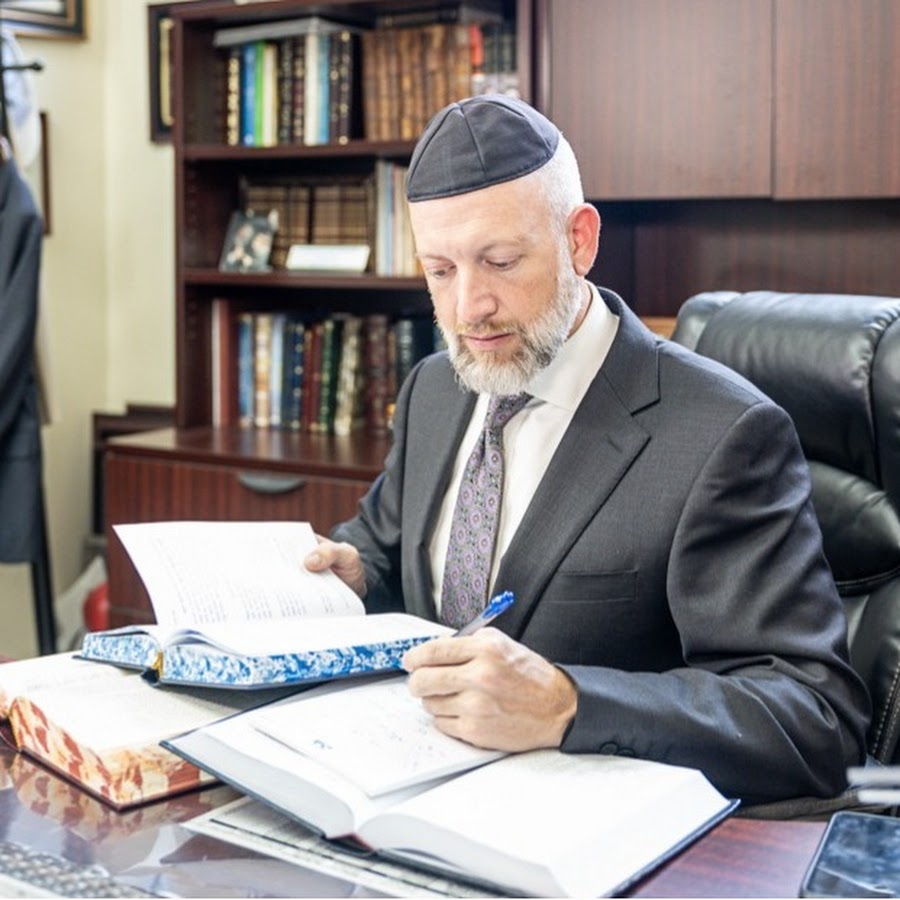
A conversation between R. Efrem Goldberg and Chief Rabbi Warren Goldstein. Chief Rabbi Dr. Warren Goldstein (born 1971) is the Chief Rabbi of The Union of Orthodox Synagogues of South Africa since 2005. Born in Pretoria, he currently lives in Johannesburg. He is the first Chief Rabbi of South Africa who was born in South Africa and the youngest person ever to be appointed to that post, at age 32. For more content, visit http://www.rabbiefremgoldberg.org.
Comments(0)
Transcript
Auto-generated transcript. Not time-synced to the video.
long
you you're okay with good morning
everyone here in the Eastern Standard
Time and welcome to everyone who is
watching from around the world thank you
so much for being with us with this
really wonderful and very special
opportunity to have a conversation with
the chief Rabbi of South Africa the one
the only Rabbi Dr Warren Goldstein so
accomplished scholar tomam a community
leader a worldwide leader Rabbi
Goldstein thank you so much for joining
us this morning thank you Rabbi Goldberg
it's so wonderful to be with you I uh
I'm an Avid Reader of your weekly Parish
column which I really enjoy and uh so
it's so nice to meet you and see you
face to face and it's a real honor to be
able to speak to you today thank you
it's our honor I want to acknowledge and
thank the Brody family who have
sponsored our conversation in
commemoration of the 18th year at site
of Arnold bro who was from South Africa
before they moved to America Elizabeth
New Jersey and ultimately here in South
Florida Rabbi Brody one of the rabbis on
our team we thank them for that
generosity and that sponsorship now I
know those who are listening those who
are watching obviously know you it's
impossible to be part of the Jewish
world and not know you and your
creativity your Ingenuity your
leadership but just very briefly um the
first Chief Rabbi of South Africa
actually born in South Africa youngest
person ever to be appointed to that
position at the young age of 32 you
studied in Yeshiva G of Johannesburg
also have di in have earned not only a
college degree but a PhD
in comparing Western and Jewish law uh
on issues of ethics and morality and of
course have published many many more
Works beyond that so Goldstein I don't
know how you have time to do it all and
get it all done it's really
extraordinary but before we get into our
conversation I thought we should take a
moment as cler the Jewish World lost two
very very different types of leaders but
really have so much more in common than
that which divides them the Jewish World
losser of David
Feinstein and yesterday shabas ended
here in America for us to find out we
had lost Chief Rabbi Lord
Jonathan do you have any uh Reflections
any thoughts on on both of them on a
relationship in Your Capacity as Chief
Rabbi or in any private
capacity yes I think um I'm I'm so glad
that we starting there because uh really
um you know for me the the the sense of
the Jewish World We depend on on our
Rabon on our leaders to give us
Direction in Hashem tah and uh to lose
um to lose great and to lose great Torah
leaders is is something which is
devastating and I think that that you
know in South Africa as shabas came out
we actually I heard about both together
because it was already shabas in South
Africa you know when um you know when
the news of DAV
Feinstein was you know came out um and
um I think that uh
idstein you know as as a PO and and one
of the of Our Generation gives gives
direction for gave direction for and and
how to how to express the will of Hashem
in our lives and without our po can we
nothing and I was just actually just
before I came on here I've been watching
the the Lev the live stream of the levia
and one thing that came out so
powerfully which I experienced in a very
small way I met him once and and asked a
shot to him but uh I could just see the
the the the empathy The Compassion the
love and that's what everyone was
talking about in in the was was his
tremendous love and compassion for for
people and and you know it's it's such a
it's such a powerful thing the Torah
when the gor as you know refers to the
Torah Rah the merciful one it's in other
words the the expression of Torah is
Rahman it's compassion it's the will of
Hashem Hashem is called Rahman the
merciful one
and so there's a a sense that expresses
the will of Hashem but expresses the
will of Hashem with love and compassion
and David fing was was a poor that loved
the door and loved people and had time
and for for everybody uh um Chief Rabbi
Lord Jonathan saxs was a personal friend
of mine and I was so grateful to him for
his his kindness to me as you know my my
appointment as Chief Rabbi was announced
just about 7 17 years ago and he was the
very first person to call and to and to
offer meuk on my appointment and and
then to offer me advice and mentorship
as I was starting so young and trying to
find my feet and he was there for me and
that was the amazing thing that he was a
person of tremendous eloquence and could
show the depth and the greatness of
Torah in the most powerful magnificent
inspiring way and he was a person who
loved people and to me that also is
perhaps is what links these the these
two giants that CL of L one was was a
great Po and a tremendous Po in but was
filled with love and compassion and RAB
Lord Jonathan sax was a tremendous
explainer and teacher and Ambassador for
total Judaism H but also with this
tremendous love and compassion and
empathy and I think that is so important
is that you know greatness of the
intellect is is only one step of the way
from a Torah hash the greatness of
intellect has to be matched by greatness
of medicine compassion and kindness and
and that's when the Torah when a person
moves from the cerebral integration of
Torah into an integration of personality
that's that is something which is which
is absolutely all inspiring and so it's
it's it's an honor to be able to have a
few minutes just to pay tribute uh to
both of them although indeed we we we
could spend the entire time set aside
for today on each one and we would have
hardly have scratched the surface so but
but thank you for that opportunity
absolutely and and it was so well said I
don't know I have to to add first of all
you're in a position to reflect you are
the co-author with Rabbi barel wine the
Legacy teachings of for life from the
great Lithuanian rabbis and I happen to
have loved that book uh it's just one of
your works but I love that book very
much it was personally inspiring to me
as a rabbi and to learn from them and
and I think one of the things that
emerges from there and as you just said
a common theme for both R David find and
Lord Jonathan Sachs is as brilliant and
as genius as they were and some of that
they were gifted from birth they had the
the blessing of genetics that enabled
them to have that was not only how hard
they worked in order to actualize that
potential gift intellectually but as you
as you describe so eloquently U maybe
their genius was surpassed by their
humility and by their love and by their
kindness and I too having very limited
interaction with r David Feinstein zel
but saw his his humility his modesty
even though he was thought of as the of
America he didn't dress like one of the
gum he had a simple gar a regular hat
and a regular suit jacket and as was
said also in the HP him he preferred to
be in the back of the room with the
Yeshiva Boys than sitting in the front
of the room with the other rabbis and
that's extraordinary to have that genius
and that accomplishment and to to be so
admired and and have such awe of you
from the masses and yet maintain and
preserve that humility is extraordinary
and and I didn't nearly have the
relationship you had with her by saxs
but we were privileged to have our
community several times and I had a a
small correspondence with him but what
I'll never forget aside from you know I
like many of our congregants printing
out his weekly D Torah and drawing
inspiration just how much they resonate
for us um several years ago I went
through a somewhat of a hard time
someone publicly we we'll get to this
maybe the position when people are in
public positions had attacked with a
total lie attacked me attacked our Shu
with a false accusation and out of
nowhere I picked up my phone and it was
read by saaks Lord saaks and he called
just to offer a good word and to offer
strength and to describe that he too had
been the target of unfair accusations
and just to to give strength and to give
companionship to be able to get through
it and that meant more than my whole
Library full of his books what they've
done for me was when you see someone
when the camera's off when the
spotlights off when it's behind the
scenes who they are that even far
surpasses the genius that the public
gets to to receive of them and I think
that's a a very very beautiful
description and appropriate description
so um again as you said we could talk
about them for hours but I want to move
over this shabas was was the chabas
project which is your brainchild your
your enormous contribution not only to
South African jewelry but to a clro to
the world so tell us a little bit about
how the chabas project came to be what
was the inspiration the motivation did
you really believe that it could happen
or have the success that it seems to
have in South Africa and and around the
world and this is a obviously peculiar
year for the shabas project because of
Corona virus what were some of the ways
that you saw the beauty of the shabas
project succeed despite the challenge
ing times yes so it started in South
Africa in 2013 and there was no
intention at the time to to to launch a
global project in fact the time even we
announced it in South Africa I remember
announcing it in June at oura convention
which brings together s of thinkers and
speakers from all over the world and
thousands of people come and almost just
before that we decided to do this and
announced it didn't even have the
branding and the logo or anything we
just knew what we wanted to call it and
we wanted to call every to keep on
chabas and we weren't sure how we were
going to do it but just jumped in in
that June and and that year it was
Pas and it was in October so we just had
a few months and a lot of people even
said you know it's not going to succeed
even in South Africa and I remember
having the discussion with my wife and
we said look what does succeed mean you
know if if 10 Jews will keep shabas
otherwise wouldn't have that that's
enough we' got all the effort um and and
and we were like very satisfied and
happy with to set that as the objective
and um and then you it was an amazing
thing the South African Jewish Community
embraced it with such warmth and um 80%
plus of the community embraced it we
even did surveys afterwards and people
kept chabas and there was such an
outpouring of love and excitement
enthusiasm that I started getting emails
from all over the world people wanting
to participate so in 2014 we opened up
and said okay let's do a shabas project
anyone who wants to participate let me
know and then emails just came in we put
out a video and emails just poured in
from every corner of the globe there's
been this natural outpouring of course
it it you know it takes effort but what
what has what has astounded me is the
the natural people's movement that has
sprung up around the shabas project and
I think it it is built on a on a natural
thirst for chabas because chabas is a
Mitzvah which is so compelling for for
for today's Times the the the the sense
that people need to to rebuild and to
nurture their families and and the
beauty that it brings and the sense of
stability and inspiration and connection
and then also people thirsting for
Jewish Unity A desperate need for Jewish
Unity the sense of we so fragmented and
we we we we only seem to come together
when there's when there's a crisis where
there's something terrible happening and
and the idea of choosing Jewish Unity
not because it's forced on us by our
enemies or some sort of external crisis
but because we respect one another as
Jews and move beyond the labels and to
embrace the concept of clel as as an
identity which defines our very essence
I think that's also deep down people
want that so badly and the other element
of it is that and it's something that
I've believed in over these years and
that is it's a people's movement the
shabas project is not an organization
which is top down with layers of
bureaucracy and lots of regional
directors and this one and that one it's
a people's movement so we have like
6,000 volunteers spread across 1600
cities in more than a 100 countries and
they all work for towards the shabas
project and they have a sense of
ownership we have we have the parameter
we have the values of what it stands for
and you know we very proud of that it's
a total immersive shabus experience but
we don't Jud people people come in they
take part of it what they want we clear
about you know that that that we believe
with passion and pride that shabas in
its fullness is the real gift and the
more diluted it is the L gift there is
but people you know go on their own
journey and I think it's been those
three elements the beauty of shabas the
thirst for Jewish unity and this
dimension of a people's movement where
everyone becomes leaders and it's not
top down but it's it's it's really
Grassroots and I think it's the
combination of those elements that is
that has given birth to this to this
movement it it is a movement and it's
it's caught on and and you're deserves
so much credit even as much as you
described as Grassroots it needed a
leader to to challenge the people with
it and the people have clearly responded
how has it been different than Corona
what what limitations the inability to
experience it in the in an ordinary
fashion how how has it happened this
year instead I think it been very
interesting in some ways uh we've had
the best shoers project we've had in
many years and I'll tell you why very
interestingly from from from uh we what
we did lose we lost the big events the
inperson events of calabas havdalah
concerts we lost that uh because of the
situation uh what we gained was one was
was a lot of virtual events which linked
people across countries so there was a
24-hour calab where people were running
across all the different time zones so
there was a there was an international
con connection that's always been there
latent beneath the surface but then for
example instead of having a calab in
Bonar the whole of South America came
together in one big calab and and there
was one from Arizona that went across
North America and then there was one you
know starting from Hong Kong and New
Zealand running across all of the
different time zones so there was that
element but for me the most profound and
beautiful dimension of what Corona
forced on the project was in a certain
sense a return to its its true Roots
which is ultimately about the personal
experience of keeping chabas and and
chabas actually happens at
home you see all of these big Unity
events are important they're about
Jewish Unity they're about the
inspiration But ultimately chabas
doesn't happen at AAL chabas happens in
our homes and and the Jewish Home at the
heart of the Jewish Home is chabas and
the Jewish home is at the heart of
chabas so it it we created a lot of
materials and and guided people on we
made the campaign theme bring it home uh
real sense of saying let's keep a full
shabas at home and have a completely
immersive experience with families and
and that's part of what we seeing now
going forward is is a bit of a journey
to help people to deepen and and extend
their shabas experience and their growth
in their shabas learning uh going
forward so that it's not just this
one-off experience although the beauty
of the oneoff experience is that people
can taste it for themselves see it and I
would also say this even for people who
are sh shabas in general during the year
it's not a binary experience
firstly there's depth in terms of
learning which writes about
in but it also it's it's about truly
appreciating is the the gift of shabas
and understanding that chabas is a
declaration of the fact that Hashem is
the creator of this world and and it's
going back to the the roots of the
Holiness and the sanctity of shabas
which even people who generally keep
shabas during the year it it's an
opportunity to refresh and to renew that
so I love that perspective basically
it's it's the attitude that within every
crisis is an opportunity and even though
there have been challenges to the shabas
project this year it's forced the
project to adapt in ways which maybe are
even new or better or parts of it you
might keep to not only have the public
but to continue to promote the in the-
home shabas experience so every crisis
or challenge presents an opportunity and
it sounds like you and and the shabas
project have Embrace that I want to ask
a question about the shabas project
that's always um I've been curious about
not in a challenge way but you know
being on the other side here in America
from the South Africa and and I want to
ask the question by way of talking about
your background if it's okay um and your
background as a microcosm maybe for the
South African jewy and what's happening
in South Africa I think there's 70,000
Jews approximately in South Africa it's
it's it's now about close to around
60,000 or so 60,000 so you know my
experience and our bueron synagogue was
founded by a group of South African Jews
who were not personally observant but
who identified with traditional approach
to Judaism with Orthodox Judaism that
seems to be in South Africa the model is
that even if you're not personally
observant but what you're not observant
from is a Hala Orthodox perspective on
on Torah and and not another
denomination um or or perspective so um
that's an advantage so to say that you
have an advantage of South African jury
that even those who are not yet ready to
embrace observance or observe all of
chabas their familiarity with or or that
which they're not doing is the full
version of it and not some alternative
which offers options um which you know
is a challenge that we have here um in
America so I'm curious in terms of your
own background your own upbringing when
did you get inspiration when did you
know you'd become a rabbi let alone a
chief Rabbi um are you an example of
that of that sort of Paradigm of South
African jewelry and emerge to to be a
leader of it and and then we'll get to
my question of how that relates
therefore to the application of the
shabas project the difference maybe
between Africa and here in America yes
because that that I want to get to that
question about the difference between
South Africa and America and maybe with
your permission can I start there and
then get to the to the personal
it because I I think my experience has
been and now you know the shabas project
has been an international phenomenon
since 2014 so we've had a number of
years of experience and what what my my
experience has been this that the the
biggest challenge facing
um I would say English-speaking Western
jury is uh is and and what actually the
truth is it applies right across the
globe and I found the same thing the
issue is this do people view Judaism as
something relevant
compelling um deep intelligent
meaningful
sophisticated uh adding depth to their
lives that to me is the simple question
if the answer to that question is yes
then then my experience has been um and
and obviously I'm I'm saying this you
know far away in the southern tip of
Africa so you know I'll I'll I I will
certainly defer uh to to you know to the
on the ground experiences that you and
others have had but my experience has
been that if if you provide a
perspective and a picture of Judaism
which is relevant compelling
sophisticated meaningful all of that
people want it they don't they don't
mind the labels they're not interested
in the labels in fact that
I'm seeing a trend in the world which in
a certain sense is post- denominational
because it's it's really saying H give
me something tell me what it is what
brand it is just tell me is I want to
know if it's relevant and compelling and
will add meaning and Beauty to my life
I'm in if it won't well I'm I'm
switching off not because I've rejected
it for ideological reasons but because
I've I've got too much to do in my life
I'm not I'm not getting engaged with
anything that doesn't feel relevant and
compelling and and and so what we found
paradoxically in chabas is this it is
the the total immersive experience of
shabas with all of theas that actually
is the most compelling offering from
from from the perspective of people's
lives because if you if it's not the
total immersive experience then what are
you offering people a dinner okay they
can get a dinner anywhere why should
they come to your dinner if they can get
a dinner somewhere else so you know you
offering them a nice ritual here or
there but people can find their own
rituals but but but shabas as an
experience Shabbat is an experience
which is a totally immersive experience
where you switch off cell phones put
away car keys uh put away the screens is
is radical it's a radical disruption of
of modern life but that's actually what
makes it interesting and question just
interrupt you for a moment I guess my
question and this is the challenge here
on our side is can you create the
experience of the disruption which is
not all or nothing can the disruption
just be for Friday night even if one is
not prepared to embrace it for the 24 25
hours of all shabas and and the reason I
asked that question in the background of
the backdrop and again I defer to you
your expertise and your personal
experience is my impression of many
South Africans um is that they'll say my
parents were Sher Shabbat my
grandparents were Sher Shabbat we used
to visit them and I would keep Shabbat
then so now when the chief Rabbi has
challenged me to do that for 24 hours
hours once a year in my life I'm
prepared to do it whereas here we sell
somebody to imagine doing that for one
hour they have no familiarity no
experience and of course there are many
who do remember their grandparents kept
kosher in the home but the notion of a
fully Embrace of or immersive shabas
experience is so foreign and so bizarre
and so out of the realm of their
experience they don't relate to it and
if we did it in bite-sized chunks said
just Friday night immerse yourself in
Friday night don't Tech touch technology
till you wake up
then we might be more successful rather
than a tasta maruba if we try to take
bite off too much maybe we won't succeed
but you what what I think is a crucial
uh um paradigm shift that has to take
place is I don't believe that we when I
say we it means Educators or uh people
coming we should not be making decisions
for other people meaning the and this is
the the the key it's all in the
vocabulary the vocabulary is and and the
brand and the atmosphere of the shabas
project is this is amazing it's fun uh
you know the the lot of the things that
we do are quite cheeky and and fun and a
little bit irreverent and and and we and
then we saying look here here is here
here it is this is what a 25-hour
experience looks like um and then you
make we say you know we say to everyone
make your decision we don't want to make
it for you by saying you know what don't
worry about that part of it just worry
about this we just put it out there
people naturally it's it's a free world
so people will naturally take this piece
or that piece and we've had stories of
people who just decided to come to the
calc not even start with shabas never
there got a calab and then that journey
of the calab was so inspirational that
they then decided to to try out chabas
and and then a person who takes a piece
of it and then it links so what what the
way that that that our approach is
non-judgmental open source uh
empowerment here's the knowledge here's
the information here's why we think it's
so wonderful make your decisions you
know we we not what what I feel is an
important thing is we as a shabas
project we don't come to persuade people
to keep shabas persuasion sets up a
power Dynamic I'm persuading you so then
we're in a power struggle will I
persuade you won't I persuade you what
what it really is saying is shabas
belongs to every Jew like why you know
it it belongs it and and this is also a
crucial thing it's not that chabas
belongs to religious Jews and that out
of the goodness of our heart we're going
to share it with other Jews no shabas
belongs to every Jew doesn't matter who
you are where you come from it's yours
and and and here it is and it's the most
amazing thing and you know so funnily
enough in the early stages of the
project you know who actually guided me
on this was Professor Dan arieli um you
know he's he's he's one of the top
behavioral psychologists in the world
Professor Duke University um he's a a
secular Israeli self-described who went
to who moved to America America um he's
he's a very close friend of mine and
he's been advising me on the shabas
project and other things right from the
very beginning and you know what he said
to me at the very beginning as we were
even just formulating it he said don't
dilute this that the the power is in the
totality of this thing give people
Empower people let them taste a full an
experience of it which is not diluted
and and put that on the table and and
and you know I just actually did a
webinar with him just last week it was a
webinar in Hebrew for an Israeli
audience and the Israelis because
obviously he's Israeli and and they were
they were loving it and and he was
actually we were going through all of
the incredible psychological benefits of
chabas which emerge from the immersive
experience but again it's about
empowerment it's about knowledge it's
about saying here it is it belongs to
all of us it's yours it's a gift you
want to take it take it you know enjoy
it it's it's open it's there it's not
like I'm going to package it for you and
I'm going to persuade you take this
don't take that I'm saying here it is
take it enjoy it it belongs to all of us
let's celebrate it and and I think this
is a crucial part of the ethos of the
shabas project we see all Jews as equals
that's the vision that I tried to put
into it we are all equals in this and
shabas belongs to each and every single
one of us equally and and and it's not
like one group of Jews coming to
persuade another group of Jews it's
rather saying we have this incredible
Heritage this incredible MIT that Hashem
gave us here it is let's celebrate it
and and just enjoy it it's it's the most
incredible gift in the world don't you
want something of it let's I'm hearing
you say is that is that we don't need to
be apologetic or water it down and
that's part of its success and I think
that's extraordinary that's part of of
why people admire it and admire you is
it's put out there as a challenge and it
takes courage to do that to not be
apologetic or defensive about saying
this is what chabas in its most
authentic form looks like and come join
us Embrace be part of whatever element
or ever extent you want to that we'd
love to have you as part of
that have I lost you did you lose me
m
I think we have lost
Rabbi Goldstein trying to get him back
thank you for your
patience I don't know if the challenge
is on my side or his side with the
internet see
waiting for him to come back up here he
is
okay all right sorry Rabbi gold welcome
back I don't know if that's on my side
or your side was my side the the the
Wi-Fi went down for a second but it's
back up so I'm I'm sorry about that
Interruption no don't apologize the
truth is here in South Florida we are in
the middle of a tropical storm
borderline hurricane so I thought maybe
it was on my side but it's nothing can
stop us from having this conversation
which is really um very refreshing
because because as I was saying I don't
know where we we lost each other I think
part of your success and why I admire
you and this project is how Unapologetic
it is how how non-defense of it is that
this is chabas in its most authentic
form and everyone's invited to be part
of it to whatever degree that you want
to I guess the challenge we have on our
side and I know that you know we have
the the family who sponsored our
conversation bro Rabbi bro our Outreach
Rabbi very few Orthodox schs at least in
America have a dedicated Outreach Rabbi
and when we talk about and he leads our
our efforts um when we talk about
implementing the shabas project here
that's some of our debate is if we
challenge people with too much will they
take it on if somebody reads that you
have to do it or that the challenge is a
24hour challenge will they not even do
it for an hour whereas if we broke it up
incrementally in segments and said try
Friday night would they be more likely
to embrace it so I I hear definitely
hear your your perspective and your
argument it's very compelling but and
also you know what I think and um I know
this is also what's exciting about what
Partners in Torah is doing and that is
um you know the the ultimately um the
shabas project is a celebration of
chabas all around the world and a
celebration of Jewish Unity uh what we
looking now is to is to deepen um shabas
Journeys meaning that people need to go
on a journey of understanding and
appreciating and and that journey is
something that people need to take time
over to um to really internalize and to
appreciate and to and to and and that
happens with Torah learning that's why
I'm very excited um you know about what
Partners in Tor is doing in honor of the
chabas project they're launching a
special three-part series for people to
find Kusa and to join them in learning
about chabas for the next three weeks
you know and you can go on to the the
partners in Torah website and find their
the the Shabbat program that's on there
which they're launching this week in you
know to uh following the the shabas
project and um I think that's something
which is which is so special because
ultimately when when people learn and
they go on their own personal Journey
there's something that comes from those
personal Journeys and and it's something
we want to look at uh broadening and
deepening the experience throughout the
year that people can go on those
Journeys so when shabas project comes
around they will be in um you know in in
a different place um and I think that
that's something which is uh you know
which can be really special that's
amazing and people can look at the
bottom we're scrolling Partners in
torah.org Shabbat is where you can find
it and uh I would certainly encourage
everybody
as the chief rabbi did to sign up so
let's move back to the question of of
your background the state of South
African jewry and some of the
differences between what you experience
and what we do um one of my dear friends
here in our community who was who was
one of the rabbis is still a rabbi here
in South Africa in sou in South Florida
was one of the rabbis at ouru RAB Barak
barim so I'll never forget that when I
was with him once when we were working
together on something and we met a Jew
not part of our Sho and the Jew in
casual conversation and passing had
mentioned that they were intermarried
they're married to a gentile to a
non-jew and right after the conversation
I was ready to move on because meeting
such an individual tragically in America
is a daily activity and Rabbi bar was
visibly shaken and I asked him what's
the matter and he said you know I've
never met somebody who's actually
married out of our faith I've never met
somebody who's intermarried he was
shaken to his core and part of why I so
admire him is his his level of yay and
his connection to heaven and How Deeply
Disturbed he was at the sense that
somebody um might have even taken that
that bold act so he told me in South
Africa he had never met in inter
marriage certainly there are levels of
assimilation and there are people who
have yet to become observant or to
return to a state of observance but not
that degree of assimilation that's one
of the differences so maybe you could
describe those differences again go back
to your upbringing if you if you don't
mind sharing personally your story is
that part of the South African story and
did you see yourself becoming a rabbi
and ultimately the chief Rabbi at that
young
age so I think firstly uh Rabbi bar
in I don't know if he mentioned so I
know him very well and he's he's such a
a wonderful person and and a dear friend
from from many years ago um I think you
know each Jewish Community has got its
own its own uh culture and energy and um
I also think that that uh you know South
African jury also has its own issues in
terms of intermarriage I don't you know
I think that it's something that we are
seeing a rise and and it's something
which which I'm concerned about that you
know needs it's not at the levels of of
North America and United States of
America in particular um but you know
it's something that one needs to one
needs to look at and and find a way of
you know holding holding the Jewish
people together um and I think that is
important to me you know what what what
what is very um beautiful about the
South African Jewish ethos and and it's
something you know which I wrote about a
little bit in that book with with with
with Rabbi wine um you know the Legacy
that you referred to at the beginning
and thank you for your kind words about
it because that book is very meaningful
to me you know it reflects a lot of what
I learned
from who was
a gift and he came to set up yes in
Johannesburg and um and he and he taught
us you know the importance of of M of of
good character and dar and dealing with
people with kindness and gentleness and
a Yiddish Kat which is which is unifying
and embracing and um and and and you
know South African Jury has had a
culture of of of of unity and has had a
culture also of of Dar and midis which
um which over the years you know they
say the ponich they tell the story that
when he um he came to South Africa in
the 1950s when he was raising money for
picha so he being being a and you know
found a lot of the the Fisher there in
South Africa was an affility and he and
he said there time that he saw Ki writes
about an introduction to you to to my
book RAB he says there that um he saw
the pich saw the in South African Jewish
Community the M of salanta and he said
you know that would always be he felt
that that yish K would come back because
of that and I think that that what
what's important I don't have I don't I
don't have sort of easy solutions for
how it can be done but I I I do think
that there is a way of you know we need
to find ways of engaging with one
another which are filled with that with
with with the Der and the mid that's a
very important and you actually said in
the that famous that it says how does
one from
the that the name of Hashem of Heaven
should be beloved through you and theor
says how do you how do you get people to
love Hashem it's not about what you say
it's about who you are it says that you
talk nicely to people
but and with Integrity that is going to
cause people to love Hashem so so the
starting point in terms of of of that is
integrity and kindness and gentleness
that that that is that is part of it um
but South African Jury has been on a
remarkable journey of a lot of people
returning to to Torah and to Mitzvah um
over the decades and and a transform
community that you know there was there
was a time um in the in the early in the
late 1970s early 1980s where there was
hardly shabas people in the whole in the
whole of Johannesburg you know and and
today that there whole communities of it
and and these entire communities of
people who who who became shabas even
though they weren't born into it and um
there's and Cape Town you know not to
the same extent but also is is a driving
mckam Torah Jurg with colemon Shivers
and uh you know lots of lots of growth
in Torah but there's a sense of one like
for example my work as Chief Rabbi is is
very much dealing with all the different
parts of the community from from those
you know who are most intensely involved
in Torah and Mitzvah and learning and
everything to those who who R in the
extremes and uh you know and and and and
perhaps are even unaffiliated but uh
it's it's about holding that sense of
kahila that we're one kahila together
we're one community and we may have
different levels of observance but we
are We Are One community and um and and
it's you know it's it's and it's also
part of it uh you know part of what I've
tried to do also is to ensure that the
Torah which I deal with is is is
engaging with issues in society because
I believe Torah has a broad mission for
society so for example when we had a um
when we uh when we had a a a a very
serious violent crime problem I got
involved with a number of of people to
establish this organization cap
Community Act of protection you know
which which now protects about 250,000
people in the city of of Johannesburg
which has brought down contact crime
between 80 and 90% um and you know I I
was involved with the minist of
Education in in drafting a bill of
responsibilities which is taking the
Bill of Rights and turning each right
into responsibility which is part of the
curriculum I believe that Torah has has
a message for society as a whole you you
know shabas and and learning Torah and
all of these things are are vitally
important for cl Isel um but but but
Hashem he he looked into the Torah
created the world the the the world
everything in
it everything is in the Torah and so
that is so for example when we had a
very um corrupt president president
Jacob Zuma and he was involved in in in
attempts to steal uh the entire Treasury
and all of the contracts and the various
departments within government there was
there was a civil resistance movement to
him there were Marches On Parliament and
marches on the Pres and I joined those
marches and and and wrote articles
calling for his resignation and in fact
even changed the wording of the prayer
for the president in in our synagogues
where instead of saying uh to pray for
the president I said you know we ask God
to to bless us with a president who's
morally worthy of this great nation so I
I I got involved in in in in some of
look and and um the article that you
wrote I think was was was very on point
and this last week the the the situation
we were dealing with at the time was a
very extreme situation of uh of of you
know of of of blatant and rampant
Corruptions was very specific to that
but the point that I'm making is is that
yish Kat and Torah has a very broad was
the work that I did in my PhD is is to
look at at you know the issue of human
rights from a Torah perspective to say
Torah is has to have and and it goes
back to what I said to you before that
if if people see that Torah is relevant
sophisticated deep powerful compelling
for every aspect of life you know it's
what raim H once said he said that um he
doesn't like Torah to be described as a
religion because religion implies
something very narrow whereas Torah is
an entire way of life it's an entire
uman a whole world philosophy of of of
of society and The Human Condition and
and every aspect you know fits into that
and I feel that you know that's a a kind
of a broad approach uh enables people to
see the greatness of Torah and then uh
it opens hearts and Minds to be able to
look at the specifics because it's
coming from that perspective Chief Raba
you're a real kidm and in this way I
think uh very much nobody can fill the
shoes of of Rabbi Lord saak that's all
we're we're reflecting on him this
morning
upon the terrible news this weekend but
very much in the same style that you are
not only the chief Rabbi for the Jews
but the chief Rabbi Beyond which is how
he saw his role as well and and it's a
reminder to all of us that Torah and
Judaism were never meant just for the
Jews we have a message and a light for
the entire world and and in our view
we're not trying to impose it on the
others but we also shouldn't Retreat or
hide it from the world because the world
now desperately needs it um you can
speak to how it's needed there and I can
speak to how it's needed here maybe more
than ever in terms of moral corruption
and and in terms of vacuum of leadership
and in terms of the questions of the day
we should not be retreating and we
should not be hiding Torah we should be
promoting and sharing we should be out
there communicating and advocating and
allow our Torah to illuminate that
darkness and to share its Timeless
wisdom in the way that you are which is
really really extraordinary as a public
personality um there's so little there's
nothing anyone could criticize about you
or your projects but when you put
yourself out there in your a public
personality by definition it's going to
attract criticism how do you handle that
as a chief Rabbi as a chief Rabbi that
began at the young age of 32 years old
at 32 years old when you were appointed
Chief Rabbi and people might have been
critical then and you're not the first
in in time we know the story that we
read on Sat or night of being appointed
at a young age um how do you deal with
criticism personally how do you make
sure that it doesn't uh hold you back or
it doesn't eat away at you how do you
deal with criticism it's a it's it's a
great question um you know I think it's
it's and I think it's an important point
for for all of us mean because although
people in public life as you've
experienced well as you referred to I
wasn't aware of it but as you referred
to your experiences and and I've had you
know many times over the last 17 years
um criticism and um all kinds of things
even even at the time you know with this
thing of of challenging the president
publicly there were a lot of people in
the community who criticized that
approach and criticized the approach of
getting involved with crime fighting and
and all different um you know different
kinds of things along the way the the
most I think the most important thing is
is to realize that ultimately we are
here on behalf of Hashem and and and and
is that internal sense of the the the
purpose of leadership in general and of
leadership and and as as a human being
in a Jew ultimately we are here to do
good in the world and to do Mitzvah and
and the measure of that is in the eyes
of Hashem of course we have to go out of
our way in order to do things in a way
that that people can see transparency
and that they can see accountability um
you know to to be to be clean and and um
and uh transparent in the eyes of every
person but ultimately the final measure
is in in in in the eyes of Hashem and
that that to me is is sort of the place
that I go to I'm criticized also um it's
part of realizing that
leadership and and the truth is doing
any good in the world by definition
comes with criticism uh even when it's
when it's not deserved um you know and
and and there's so many examples with
Mosher rabenu um you know like that you
know that famous mid where when he left
late they criticized him they said he
sleeping too late and he's not working
hard enough and he've left his tent
early then they said he's having
problems at home so that's why he's wife
threw him out the tent early so whatever
he did he was he was getting criticized
and then the the final thing is this
sometimes it's important to to listen to
that criticism because there can be
something in it sometimes it's it it may
even you know be nasty and not not
constructive um and and but and very
often it can be sometimes there's
something in it to can to
listen sometimes it's pure it's pure
nastiness and then actually one's better
off not listening to it at all because
it's got nothing constructive but
sometimes um there is constructive
criticism and I think what the key is is
to find um objective advisors who will
tell you the truth because it's so easy
to surround oneself people don't want to
tell don't want to tell you you know and
so what I've tried to do over the years
is to find really smart people to be
around me people who who feel
comfortable to tell me when I am making
mistakes because when it's coming from
you know people who are just seeking to
destroy you can't hear that because it's
there's there's nothing there's no
bonafides in their motives but when when
good people are then there's something
and and we can all make mistakes you
know and I think part of leadership is
the humility to know that we can make
mistakes and we need to but have people
around us and and that's the definition
of of of
a um acquire for yourself a friend in P
ra there says a friend to do Mitzvah
with a friend to learn Torah with and a
friend to to hear the criticism and to
get advice that you we we we we are too
close to ourselves so we need to find U
you know the people who can uh guide us
and and and direct us and keep us keep
us on the you know straight and narrow
um that's a great perspective we are um
we're winding down on time I just want
to ask uh if it's okay two more
questions one is um re Goldson it seems
like everything that you've touched
turns to Gold your accomplished author
accomplished speaker uh you have
advanced secular degrees a grand
Advanced
smas um these projects you've begun have
had extraordinary success is there
something that you tried which was a
failure and I ask not not um God forbid
to embarrass I ask because it will
inspire us sometimes we meet or we're
exposed to somebody who it seems that
everything they've done everything they
touched has succeeded and if we learn
that I once to had this opportunity to
have this conversation with with Rabbi
saaks and who was very quick he burst
out in laughter and told me about
several failures including his failure
to publish until he turned 40 years old
and then wrote a book a year after that
um is there a failure of yours that you
think about that you learn from that we
would be inspired by you know I I I
would I would say this uh the the they
plenty uh some of which are not good to
mention on u in an interview but I I'll
say um I I will I will say this that
each one of these things uh comes with
uh failure and setback every step of the
way in other words like I'm
saying what whatever it is that there's
there's so much that is going on that is
within it that being and not succeeding
and then pushing this and trying that
and um and you know just just I think
that that part of of of daytoday life is
about uh just pushing on it's it's the
sense of just keep keep moving and and
keep trying and the times you know um
I'm I'm like one of the things that you
mentioned I'm hoping next year to start
a a p learning project uh but but but
people and but people who know me um
know that I've actually been working on
this project for years and a few years
ago I launched it and um and it didn't
succeed but I didn't you know I launched
it in a certain way and didn't try this
and didn't try that and then I then then
I went with my team and we re
reconstituted the whole thing and we've
been through so many variations of it
and please God next year we're hoping to
you know to launch um I'm hoping will be
you know a really beautiful um you know
learning project around pavos because I
think pavos is it's the heart and soul
of of of Torah values and it's
accessible to all and it's you know I
think every Jew needs to learn it and
every Jew can learn it um so I'm I'm
hoping you know you know as a as
something
uh to you know to to sort of accompany
the shabas project in the years ahead
will be a kind of P pus but I've been up
and down with that for years and and
trying this and trying that
experimenting with this experimenting
with that I think now we got a formula
which I hope it works we'll launch it
next we will see but it's been a lot of
experimentation failure experimentation
failure it hasn't succeeded yet but I
believe in pure covers so I believe
there is a way to to to get it right
where it can become a mass-based
learning project but at the same time be
true to the depth of of the of the
wisdom of kazal so I think each and and
I found all of these things it's
everything is is hard work and um you
know lent sort of coming up to obstacles
and stumbling and fixing and stumbling
and fixing even the things which which
which appear to be successful are are
the result of multiple
many failures all the way through in
order to get to that in order to get to
that point well I can't wait to to see
it and to jump on board with it and I
have no doubt it will be a success if
you're behind it last question because
we can't leave this conversation without
talking about our beloved Israel medat
Israel Israel the people of Israel um
your PhD is on human rights youve
positioned yourself as a spokesperson
for human rights um what's it like in
South Africa defending Israel are there
people who will attack you claiming
Israel viol Ates human rights and and
hold you out because you've been a
spokesperson for human rights the word
apartheid is is used to describe Israel
by our enemies and and you know what
real apartheid is um obviously um
growing up in in South Africa um tell us
about what's happening right now in
terms of your position as Chief Rabbi
defending and being the spokesperson for
for Israel in South
Africa um yes it's been it's been a
really bumpy Journey um because uh there
is a tremendous amount of hostility from
the South African government and thec
the ruling party uh towards Israel a
natural Affinity um you know away from
you know from Israel and then there's
the aparate accusation so so the first
thing that I've done over the years is
is to
categorically uh reject the accusation
that Israel is guilty of apartate um and
I've done I've written many articles on
that if people are interested you can
they can get it on my website chief r.c.
today set the the arguments why it's not
a because one has to say what was a what
is Israel and explain it and you know
the the the the arguments are um you
know I believe compelling and I believe
it's the Jewish people we have to reject
that accusation because it is um it is a
uh it is a a defamation of the Jewish
State and it's an insult to the victims
of the real apartate if everything is
aart nothing is aate so it's something
which I have fought for many years in
the context of South Africa and I've
come to blows with many people in the
media not not physical blows but uh
media blows with cabinet ministers with
senior ANC officials with with judges of
the Constitutional court because
recently I hosted a um I participated in
a webinar with the Chief Justice of
South Africa chief justice mang um that
you know cath editor Jerusalem hosting
and moderating a discussion between us
and and the Chief Justice M came out in
support of Israel and there was a
tremendous you know backlash in South
Africa and I traded blows some of the
retired constitutional Court judges and
and and the the the line of attack and
this is why it is so vicious and the
line of attack is it's not that I
disagree with you they don't say that
they say for you to defend Israel makes
you a fascist racist
uh and and they deny the the very
legitimacy of it and that's what I've
been fighting for to say listen you may
have a different perspective on the
Israeli Palestinian conflict I I
disagree with it passionately but I
respect your right to disagree with with
me on it but um but but you have to
grant me the right to to to be able to
articulate a defense of Israel without
being cast as a racist and and I think
that that to me is so important we have
to fight for the Justice of the cause of
the state of Israel not just because of
ethnic solidarity but because it's the
right thing and and Israel is is this
incredible Beacon of democracy and uh
freedom in the Middle East and it is you
know properly told and you it would be
the subject of a whole long of its own
conversation but a lot of the work that
I've been involved in over the years has
been in order to put out that case and
and again it's it's a certain sense one
can't be apologetic about this one has
to go into that Arena fearless and say
this is the truth because we standing up
for K it's about it's about defending
the sanctity of hashem's name because if
people defame the Jewish State as guilty
of the worst human rights violations
that is a that is a stain on on on our
reputation as Jews so we and and if we
are silent then we saying that
accusation is true so we have to to to
from the rooftops to defend the state of
Israel and I think that is so important
um in South Africa but also in the
United States there are there are voices
you know in in Congress um and who who
who have uh in in recent years become
more and more militant in their approach
uh against Israel and it's so important
to enter into that debate but to enter
into the debate rationally
intellectually with all of the arguments
um and and and to keep the debate
dignified but firm and and strong and
not to give an inch we cannot give an
inch if someone accuses Israel of
something terrible we have to rise to
the defense because otherwise it stays
on the record and and and that is that
bches the reputation of Cl Israel and
that bches the reputation of in this
world so we have to be there on the
front lines but intellectual rational uh
arguing the case and and unrelenting in
our defense of Israel Chief Rabbi Dr
Goldstein I can't thank you enough for
for being with us today but much more
significantly I can't thank you enough
for fighting for the Jewish people
fighting for Torah fighting for Israel
and for being a kidish hasem what you've
accomplished is extraordinary and we
know there's so much more to come people
can join Partners in torah.org
Shabbat or they can find more of your
writings Chief rabbi.
co.za thank you for being with us today
thank you for the gift of the Shabbat
project thank you for the gift that is
you and all that you are doing and we
could talk for hours and hours but
please God it's a conversation that be
continued as we go forward thank you so
much thank you Rabbi Goldberg it's been
an honor to talk to you and I look
forward to your paral articles each week
so we'll see what you have in store next
week thank you thank you special thank
you to the Brody family for sponsoring
in memory of the 18th year outsite of
Arnold Brody Arnold was a very special
man a humble and modest man but a leader
in his family and Beyond so thank you
for much for that and wishing everyone
stay happy stay healthy stay holy have a
wonderful day