0:00 / 0:00
My Greatest Speech, Ever! Rav Gav Friedman. Follow BJX for more classes and inspiration.
1,330 views
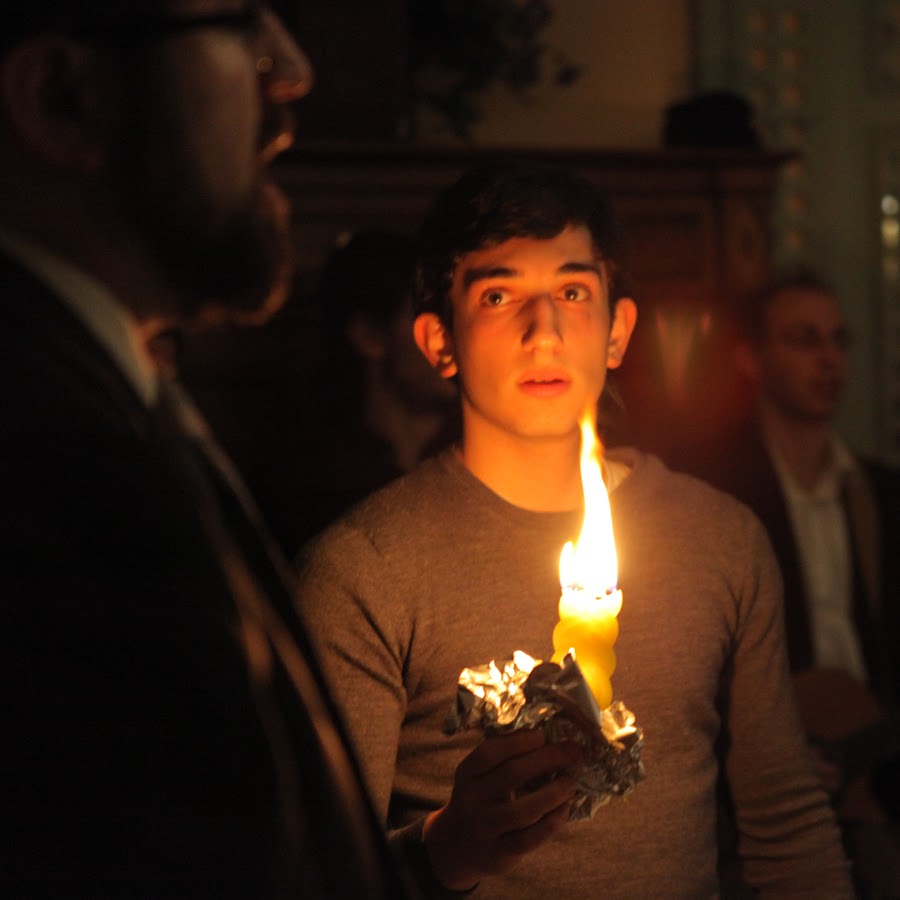
http://www.helpbjx.com BJX presents Rav Gav's Greatest Speech, Ever! Follow BJX for more classes and inspiration.
Categories:
Education
Comments(0)
Transcript
Auto-generated transcript. Not time-synced to the video.
many years ago that's a relative
statement because it really depends how
old you are and what many means but to
me many years ago i was in a hotel the
holiday was sukis or sukkot if you
prefer
and i went to this hotel which is now
called the
la rome i think
or the in baal i always get confused i
know they switched names it was once one
and now it's the other and when i went
to this hotel i walked in there i was in
yeshiva at the time it was on the night
of sukkot and when i walked in there is
a whole bunch of massive big sukup big
big big you know hut that's set up in
the courtyard of this hotel
when i walked in i see tons of people
sitting there and eating i was not
invited but uh you know i slipped my way
in to see the see the crowds and see
what's going on
and i noticed that one of the tables in
the back that there was a whole group of
yeshiva guys guys studying yeshiva for
the year studying in their gap year and
when they were there they were uh they
were sitting by some guy who seemed to
be
the host and he invited all these guys
you know they don't have their families
there they should come and they should
eat with him
and i notice a friend of mine david i
see this guy devin i haven't seen david
in
relatively speaking many years i think
it was probably
something like i don't know five ten
years or something like that and it's in
a long time and i said i'm like well i
was excited to see him so i was gonna
walk over to say hello to him and when i
got like close enough i realized oh the
host is speaking he's saying a nice idea
about the holiday i didn't want to
interrupt so i kind of stood there and i
just you know that awkward kind of
making eye contact with this guy david
now as as i see he didn't see me he
didn't notice me he's kind of scanning
the room
but then i see he catches my eye we
catch eyes and when we catch eyes he
goes like this he looks at me and he
goes
makes this like face he goes like
it looks like a face like he's not
interested
and that was very uncomfortable i'm like
oh what do i do now now i'm in that
awkward moment where like do i approach
him do i just walk away so i kind of
waited until the end of this fellow
speaking and i walked over i just want
to say like okay i walked over to i'm
like okay i'm like hey i'm like hi how
are you how you doing how how are you
doing and he sees me he's like
hey
how you doing
and i was like okay now hold a dog hold
on a second
because what
i said
a minute ago like i'm standing over
there a minute ago
you're giving me the look of death
and like all of a sudden you're my
friend like i understand like i was just
like
what's happening he goes what are you
talking about i said what do you mean
what do i talk about literally one
minute ago i was standing over there you
looked at me i looked at you and you
gave me this face like you're not
interested like i knew okay he became
like super religious you don't want to
talk to anyone i don't know what
happened to you he's like no oh
you saw me i'm like of course i saw you
he goes well i didn't see you i'm like
yes you did you looked at me he was not
wearing my glasses
i can't see more than two feet in front
of me
and then it hit me i was like oh my
goodness
here i am in a scenario and i think
maybe all y'all can relate to me
how many of us have been in the same
areas where we see something happening
and we think we know what's going on we
know what's going on and therefore
because of that we assess the situation
and we come up with whatever we want to
come up with and we move on because of
that this was just a very simple case of
a total misunderstanding
he didn't see me i thought he did and
that made it quite uncomfortable
story number two
this actually just happened the other
week this to me was
i shouldn't laugh but it was very funny
for me
not so funny for uh one of my students
that i was learning with
we were standing in a study hall in
debate the midrash in the basement
trilingual for all those who know these
things
and as we're sitting there we're
actually standing he's standing in the
very front of the room and i'm standing
next to him sitting next to him i have
my book that i'm studying from mike
safer and he has his opening in front of
him also we're learning jewish law
and as we're learning jewish law and i
was just kissing with him you know right
okay i shouldn't in the middle i know i
know i know but i was and i said to him
i'm like hey let's call him ellie
because i'm just i'm just saying i'm not
saying it's his name let's say i go
ellie
why don't you uh you know everyone's
like doing their thing give a nice whack
on the side of this uh you know little
podium there just to get people's
attention make an announcement tell the
people something he's like what are you
talking about like people are studying
they're learning they're not going to
whack and think i'm like come on i'll
give you 500 i'll give you 500 if you do
it he's like 500 what i'm like a
thousand i'll give you a thousand just
smack the thing he's like i'm not what
are you talking about i'm not smacking
anything i'm like just smack it he's
like you know what fine i'll smack it he
lifts his hands up to smack it he had no
intention of smacking it there's no way
he was gonna do this but he was he was
kippitzing back he's joking with me so
he lifts his hands you're gonna smack it
suddenly
two guys sitting at a table over there
were learning
studying together and it got really
heated and the guy said you don't know
what you're talking about and he smacked
the table as hard as he could
when he smacked the table as hard as he
could
the entire study all stopped everybody
looks up to see who did that to
interrupt everybody's studying
and there's ellie with his hand like
this right by the podium
so everyone's like come on man what are
you doing he's like ah it wasn't me
they're like yeah yeah it wasn't you
sure it wasn't your hands up you're
standing by a podium it wasn't you i
think i'm telling you it wasn't me i
couldn't help but i just went to the
side and laughed because i saw the whole
thing that was going on but to everyone
else it's like that's terrible how could
you disturb everyone what's going on
okay so my friends it's not what it
seems
it's not what it seems if you haven't
picked up yet and what we're talking
about over here we're talking about
right now is something called judging
favorably or giving the benefit of the
doubt now i think everybody everybody
who's listening to this has had
scenarios like this we've all had
situations scenarios where again we
think we know we know we know if we're
lucky we don't say anything if that we
we eat our foot the rest of our lives
have the embarrassment we caused
ourselves
judging favorably this is incredibly
incredibly important when it comes to
all sorts of relationships listen right
now we're we're as
watching this
you think we don't have the temple
anymore we don't have the bait to make
dash we don't have the base that make
dust we have the bait from mcdonald's we
don't we don't get our we don't get our
house anymore why why not so one of the
themes that's spoken about so much is
known as
of
loosely translated baseless hatred
although the actual little translation
means free hatred we're willing to just
give it out for free i hate you you
don't have to pay anything i'm just
gonna hate you we don't there's issues
are going on and i believe that
probably
the glue
in if not
yeah like most relationships at all is
having the ability to know how to give
the benefit of the doubt judging
favorably so many things are going on
all the time take a step back
chill maybe there's more to the picture
maybe there's more that you're not
saying maybe there's more
okay this is a nice idea right all you
all heard of it everybody's heard of
judging favorably give the men for the
doubt what do you think judaism has to
say about it
nice thing to do
or obligation
that's a very big statement there what
do you mean obligation oh nice maybe
there's always the wise one out there
take you guys someone asking you right
what do you think nice thing to do
or obligation
i know there's at least a few of you
sitting together so fight it out god
come on
for the person who's sitting there by
yourself this is going to be awkward
moments of silence
all right the answer is
okay it depends or as my grandmother
likes to say it's a mahloka it's a
debate
the answer is it can be both it can be
none depends on the circumstance but
let's start with the following it's
actually mentioned in judaism a concept
known as dhanikovsky is to judge
somebody favorably the question is
where do we find that where do we find
that see in judaism you can't just say
whatever you want like take that back
you can you have the ability to but
actually you got to be able to back
yourself up where you coming from you
want to say an idea you want to say
concept very nice
where is that coming from if it's coming
from you so that's nice but if it's
coming from judaism there's another
story so where's their source is there a
source that we know that we have to be
understanding and we have to be judging
favorably
so i'll tell you what uh
one of the most common answers i get
one of the most common answers i get is
from a book called
perique
elvis is a very quick recap of jewish
history to understand what do i mean by
this book it's a mishna what's a mishna
what is all this kind of stuff so let's
just uh let's take on a little journey
the jewish people are standing on a
mountain the mountain's called mount
sinai for the arabic speakers jabal musa
and now this mountain called har sinai
mount sinai we got something called the
torah now how many toads do we get we
got one all encompassing
the two major components one is known as
the written torah and known as genesis x
as leviticus numbers deuteronomy and
most favored menu of harm and then we
have something known as the oral
tradition oh tradition and that oral
tradition was passed down orally it was
spoken out it wasn't meant to be written
down but what happened over time is all
the nations of the world loved us
to death so we had to write it down so
we went and we wrote it down and that's
why now we have what's called the
written oral torah one of the greatest
bodies of work of the oral tradition is
known as the mishnah
there are
63 or 60 depends of the accountant
individual mishnayot right books of
mishnah and each one of them have a
bunch of teachings one of them is called
avos okay that was a little history
lesson now we go what's going on the
mishnah in perce
which is found in chapter one mission
six comes along and says the following
statement yahushua
that means joshua the parachute and
nitai from a place called our bailey he
came along they received the tradition
there's a tradition that going on the
beginning of that book starts with moshe
keeper tommy sinai moses gavitor from
sunday pass on to joshua joshua to the
elders eldest of the prophets the
prophet of great assembly and we have a
student who have a student rab a student
rabbit student rabbit student until
today and the next one starts off with a
guy named shimon right shimano after
this antiquing
then you'll show them back into your
bile and that's where we are one sixth
yoshua ben prakria omer the following
line
is now for those who don't speak any
hebrew i just said
make for yourself a mentor make for
yourself a rabbi get someone that you
could speak over ideas with
number two canelo jacques there
literally buy yourself a friend nobody
likes you you go to a website
buyfriend.com you put in a donation
we'll see what we can do or you have to
literally as robiniono and the great
sages explains living in the 13th
century
in spain a place called garona he says
what does that mean that means you have
to be willing to spend money to actually
develop this relationship and number
three
i want you to judge the heavy done
escola
which means you should judge every the
person
to the palm emeritus
okay now that that's clear i shall
explain what in the world does that
sentence mean
so for the hebrew speakers you may be
familiar how do you say scale in hebrew
in modern hebrew is something known as
that what's not the only modern hebrew
social biblical evil as well but
sometimes
that's more you know usually that's the
word that comes up but there's something
else which maybe you saw in a rosh
hashanah card
where you have like these people with
the scales like this this is called in
hebrew a cafe
why is it called the kaf because
a cafe literally means a palm there are
two palms there so when it says that you
should judge every other person to the
pomeritus that means give them merit
judge them favorably give them the
benefit of the doubt so there you have
it
we have a source of where it says that a
person should judge somebody favorably
avos chapter 1 mr six there's only one
problem quality problem so you ask where
what what's the problem
the answer is although it's true that
mishnah's torah and torah is mishnah
there's something quite unique about
others something quite unique about this
particular book
what is it as my monday says great great
siege lived from 11 35 to 1204
he accomplished a lot in half hour
originally from uh from uh it was um
cordova i think cordova spain also i
think i get that right anyway so
maimonides comes along and he explains
that the book of percevos
is loosely translated with ethics from
psalmist ethics from our fathers
and that is this is what we would call
lefnim ashura sadin
above and beyond the letter of law or
perhaps they would call it midos qasidos
levels of piety but not necessarily are
you obligated to keep this stuff so
we're back to square one
for all the tumultuous out there we're
back to our original question and that
is is this a nice thing to do or an
obligation so the answer still remains
obligation we just have to find where we
see that and that my friends for that i
turn you to leviticus chapter 19 verse
15.
that would be utest test buff in vaikura
and the possible tells us right in the
middle the five books says the following
i'll tell you in english you shall not
pervert
justice hold on
you should not make a perversion of
justice you shall not favor the poor you
shall not honor the great
with righteousness
shall you judge your fellow
the words are but sadek tishbot
with righteousness you judge your fellow
interesting so we have the pasik itself
telling us that actually the gemara in
shavuous on page 30 goes into this
discussion and
it discusses this point of bitset
with righteousness so you judge your
fellow now when we say this line you
should not commit a perversion of
justice
you shall not favor the poor you should
not honor the great
with righteousness shall you judge your
fellow which we explain to me judging
favorably
where do we who are we talking to over
there just listen to the words don't
commit a perversion of justice who's who
he's speaking to
one might say oh it sounds like you're
talking to judges you're in a court
system you're with judges and that
happens to be there are opinions that
say that on the other hand others say
we're actually talking to the entire
jewish people that is a debate in the
gemara and duffle ahmed in shavuous and
the gemara there ends off by saying why
can't we be
that it actually comes out to be both
it's not exclusive to one or the other
it's both judges it's people we all have
the idea that the obligation to judge
favorably to give the benefit of the
debt interesting
so now just to keep us on track what
have we been saying so far number one we
got a couple stories explaining judging
favorably understand that it looks so
obvious he of course he smacked it and
yeah can you believe the face he made at
me he didn't even see you
but we go and make up certain things
judge favoritely come on but do i have
to the answer says the torah but
right in the middle of leviticus 19 15
victory tested false and that is that
yeah you got to judge favorably got to
give the benefit of that now
listen we could make this a lot longer
and go into the details who what where
when how every single time the answer is
no example is there an obligation to
keep shabbos the answer is
yes
when though
on chavez
so there's no obligation to keep shabbos
on tuesday so when does it apply and how
there are exceptions but the general
understanding
is that we got to judge favorably give
the benefit of that with the day-to-day
circumstances that we usually find
ourselves in
and that's where things get a bit wild i
want to share with you a gemara another
gemara we spoke at the mishnah 63
individual books of mishnah
the gemara was following the vishna and
that is the explanation the elaboration
of lucid dates and makes clear that
which the mishnah was saying mishnah was
written in shorthand gemara goes and
breaks it out
the gemara comes along and says the
following although we have 63 books of
the mishnah there aren't that many books
of the gemara at least the babylonian
talmud 63 books of mishta how many books
can anyone guess how many books of the
babylonian talmud if you get my hint
over here 63 books of mishnah how many
books of babylonian talmud that'd be
correct 36.
one of those 36 books is known as the
book of shabbos
the second book in the series of
babylonian talmuds and it says the
following if you take a look on page 127
b
you'll find the following idea
ahmad base 127b the gemara comes along
and says a very powerful idea says the
gemara
if you judge somebody favorably so now
we've got this idea okay it's an
obligation but listen how far it goes
and if you go and you judge somebody
favorably
god in turn is going to judge you
favorably
if you go and you give someone the
benefit of the doubt
then god in turn is going to give you
the benefit of the doubt
now try to digest what i just said
i think at first glance at first hearing
it sounds like a nice idea okay nice
idea give i judge favorably god judges
me
sounds good
however let's let's let's try to think
about that for a second are there any
problems with that statement
any issues with saying if you judge
somebody favorably god intern is going
to judge you favorably also
let's think about that the answer is
very very simply
let's use an example okay you uh you're
walking down the street and uh as you
pass by a mcdonald's
which is in america
which is not kosher yet let's give it
some time
but you pass by a mcdonald's and there's
uh you see this
hasidic guy
this guy coming out with he's got the
boing boings you know he's like oh yeah
yeah yeah
yeah yeah yeah he's got his black and
white got his hat on he walks out of
mcdonald's like this going like this
what happened
there are many answers people like to
say
what's funny is that because i'm talking
about this particular topic everyone's
head goes to um
maybe they weren't jewish maybe it
really wasn't a hasidic man maybe there
was easy top you have to that's a
generation point but uh maybe it was uh
maybe they were throwing up that's what
happened maybe they drank water maybe
they brought their own tuna bagel in and
that's what they were eating maybe
that's what happened yeah maybe this
maybe that may be the other you know
what else maybe maybe they just pounded
a double big mac with bacon lettuce
pickles tomatoes onions with the drink
on the side don't get the ice because
it's cold anyway it takes 25 percent of
the drink maybe that's what just
happened
but we don't know
therefore says the torah give the
benefit of the doubt judge them
favorably
but that's based off a five letter word
that we have that god just doesn't have
starts with the d
ends with a t has ub in the middle
not do bit nice try though doubt you see
god has no doubt
we we don't know we don't know what
happened we see something we kind of
judge it we don't want to but we get
stalker we say this that
but god has no doubts
god knows everything
so how could the gomorrah say in shabbos
page 127
be excellent that if you judge somebody
favorably god in turn is going to judge
you favorably
if you give someone the benefit of the
doubt god's going to give you the
benefit of the doubt god has no doubts
all you all hear what's going on
all right so the truth is it's really a
word game
because we we spoke in english
donna kavskos doesn't have to mean the
benefit of the doubt but it could mean
that we're judging favorably you see
what happens is
is god kind of mimics
we say that there's a savior called
never shaking it speaks out though the
wording of
hashem is like our shadow
he acts with us how we behave
we're going to see more about that in a
moment but here's the point
imagine for a moment you go ahead
and you walk outside and you see someone
and they are
seemingly looks to be a religious jew
out in the street eating on kosher
and you say that's terrible
it's bad enough they're eating on kosher
they have to do it in public
what's that called
they're called favorable or unfavorable
it's called unfavorable
okay how about this one you say
see the person is eating that kosher and
you say hmm
i don't know what they're going through
maybe maybe they have diabetes
and maybe they were hypocalcemic that
means their sugar is low and if they
don't get sugar now then that could be
the end of them so they got to eat
something quick
what do we call that
that's what we call judging
favorably maybe there's something else
going on even it's objectively wrong
what they were doing but they were
giving the benefit of the dad over there
says god the following what type of
person are you
are you a nit picky person
or i once taught a group of only women
they preferred detail oriented
are you a detail-oriented person
i was looking at i can't believe they
did that and can you believe that they
did that and i never would have it's
horrible
or are we taking a step back and looking
at a bigger picture over here
and we're saying maybe what they're
doing is that okay
but who knows why they're doing that
what's behind that what's the reasoning
that they're involved in doing such a
thing
says god what type of person are you are
you nitpicky all right i'll judge like
you with that as well i can't believe
you did that how could you do the wrong
thing whatever is that you did we've
done things that are wrong
so we do something wrong god says i
can't believe oh you did that at that
time or with the person that takes a
step back
you know what yeah maybe he did the
wrong thing but it's hard for him you
know he has he it's a heart an evil
inclination i mean i know more than
anyone i created him
so what does it mean that if you judge
somebody favorably god in turn is going
to judge you favorably
what that means is is the type of way of
which we present ourselves
if we are the type that are going to be
very very detailed and the same is going
to say okay i'll do that also if we're
the type is willing to go and judge
favorably and take a look at a bigger
picture hashem does it also and by the
way that answers a question that we sort
of brought up but we didn't
and that's a grammatical issue
you see now that we have the pussock we
have the verse which is found in chapter
19 verse 15 viticus which tells us the
idea
of uh
now we know that this idea of judging
favorably we can go back to the mission
now even if you want to call me
love is a pie they're above and beyond
the letter of law we still know that
that's true and the mystery said three
things make yourself a rabbi get a
friend and have done is
judge every the person to the palmeritis
and the question is what kind of wording
is that what do we judge every the
person you should have said have you
done this called adam what does that
mean that we've done is called
what are you saying judging the in
hebrew we call it the heihaidea is it
something more specific what do you
judge with the person
so listen with what we have so far i'll
be able to answer this
imagine for a moment i give you a 500
page book
you open up the 500 book to page 347 you
read the following line and jack took
jill and threw her down the hill you
slammed the book closed can you believe
that jack
what a
not a nice guy
what would you say about a person who
says that
you got to read the whole book you
didn't you didn't read the whole book
how would you go and judge
what does it mean have you done this
called them judge every the person
it means don't just judge this
particular instance or moment that
you're seeing
judge the entirety of the person
understand a little bit more than what
you're seeing right now maybe there's
more information maybe there's more
and if a person does that that's what
the gomorrah says
if you judge somebody fairly god in
turns go to judge you favorite but if
not that means to say that hey that's
what's going to be with us also
pretty pretty scary
i want to share with you
two quick stories
one idea and we move on to part two
where things get ridiculous
listen to the following
there's a story number one about a rabbi
who was once walking down the street on
yom kippur
now for those who aren't familiar yom
kippur is a day when we don't eat we
have a fast right it's a fast day kind
of like the day now tish above
or in the future but for you now
this uh this thing yom kippur we don't
need
so one day one day
i believe it was i don't know if i said
the name or not but i think if i did i'm
gonna how about i mess it up i think
it's worth levy yitzhak me bardichev he
was always known to look for the
positive in people and he was walking
down the street in yom kippur and he saw
one of his one a fellow a jew that was
eating on yom kippur and he said my
fellow jew sure you don't realize that
today is yom kippur
because no rabbi
i know exactly what day it is
he goes oh
well then you must be sick are you sick
you must be sick and of course you have
to eat if you're sick he goes no rabbi
i'm not sick
i'm fine you want to bite
he's like no no thank you
he thinks a little bit he looks up to
the heavens he says god
look how righteous your people are
even when they get caught doing a sin
they won't let a false word leave their
lips
isn't that beautiful
okay a little bit ridiculous
but let's extend ourselves just a little
bit
maybe there's more going on
maybe we could find that positive where
are we looking what are we focusing on
story number two
stories told about a rabbis walking down
the street with a bunch of his students
and they come across a dead donkey
and the rabbi is looking the students
and the students say oh
what a putrid smell what a disgusting
smell that's coming from this donkey
and the rabbi said yes
but look how white its teeth are
amazing
my mother came to this class once i gave
many years ago
she was the only one that came but
anyway afterwards she says to me
great class
what kind of ridiculous example did you
give about a dead donkey in white teeth
i said it may be ridiculous but it's
coming to show a very important point
what are you looking at what's big and
obvious and open and right in front of
you this huge carcass
or you're taking a look to try to find
that small beautiful white pristine
thing which maybe is what we should be
focusing on
maybe there's more that's going on
have you done this called
the entirety of the person don't get
caught up with the small little details
what you're looking at right now but
rather take a look at the bigger picture
of what's happening
that my friends is very powerful the
more we do that
the more camaraderie we start to develop
you know any fights we'll be just
rid of it's coming from us so we were
looking at somebody everybody's got to
take a step back and just chill and
recognize the fact that hey maybe
there's more have we done let's call it
on the capsules but i'll tell you why
it's worthwhile here comes part two
this is amazing idea
there's a mishna which is found in peya
pay is one of the books of the mishnah
we mentioned it's final pea one
one
many of you probably say it every day
eluded
these are the things that a person eats
the fruits of in this world but the
karen the principle is reserved for the
world to come
that means to say if we follow the
mitzvos if we do or meant to be doing
we're going to get rewarded
where are we going to get rewarded
ultimately
the next world not over here in the next
world we're going to get rewarded
however there are a few things that we
can do then not only are we going to be
getting in the next world but we also
get things in this world also that the
mishnah calls
frutas fruits the payros the karen the
principal you're getting that in the
world to come but there are things we
get in this world called the fruits what
does that mean
that means besides the idea of like
whatever it is uh you're gonna get
rewarded for yourself over here health
wealth prosperity etc and we also have
the opposite
it's the opposite there's certain things
that with certain behaviors that we have
that we're going to get
the main reward or lack thereof whatever
whatever we have it come into us in the
next world but we also have things in
this world though so lack of health lack
of lack of lack of etc etc etc
this is like if anyone's ever worked at
a uh at a restaurant
so you're going to get your paycheck at
the end of two weeks at a month but you
also get a little more you get some ice
cream you know you get something that
comes along with it
listen carefully to what this means
listen to how powerful this goes
there is a phenomenal idea that i heard
many years ago i actually saw inside a
beautiful idea from a great rabbit by
the name of the battle shame tov
the belchemtov says a very very powerful
idea which i think
maybe even the number one thing the
biggest impact that i've heard of that's
had in my life something so impactful
he says the following
so we discussed
that there's reward in the next world
and there's also fruit in this world
and that's also in the negative realm
that if we do something wrong with his
responsibilities accountability in the
next world but there's also in this
world also
says the baal shem tov but there's one
fascinating catch
and that is
before a person is judged in this world
they are asked
do you agree with the judgment
now i don't know how many times you've
had this before
where god cometh downeth with the
ministering of angels and says do you
agree with the judgment
i imagine that doesn't happen unless
it's perm and you're drinking a little
too much
so what does it mean that god asks do
you agree with the judgment
so i'll tell you what it is
let's imagine for a moment that we do
something wrong we do something that we
shouldn't have done
so an example i don't know if anyone
who's a parent but i'll give an example
let's say i have my son and i go to him
and i uh
we're outside and i yell at him in
public
maybe something's wrong maybe something
not wrong who knows
what happens says about shem tov a day
later a week later a month later
i will be walking down the street and i
will see someone yelling at their kid
and then god waits for me to judge
i have two options one is i say that's
terrible it's bad enough yelling at your
kids you gotta do it in public
says god
signed and sealed
you just judged
yourself
now hold up one second i'll sign up for
this the answer is what do you mean you
mean to say that the person has just
yelled at their child in public that
wasn't okay right no not okay what
should be accountability absolutely how
could he get away with that one second
didn't you do that like three weeks ago
oh whoops what i meant is
that's great that they're yelling at
their kids that's fantastic it doesn't
work like that it's got to be real it's
got to be real
so what happens is says about shameful
that's what hashem does he puts us in a
scenario we get to see ourselves and he
waits for us to judge
this is why this ain't no games
understand that sometimes we go we're
judging people not realizing wait a
minute smee's me and we realize that
we're the very ones that we're judging
scary concept my friends how many times
a day did we judge
okay no we don't judge i don't judge you
you don't judge me it's a bunch of bull
hockey every one of us is judging
everyone else all the time the question
is whether you say something or not but
it's up in here up in here
we think things
so what am i supposed to do and really
what so i mean god needed me to be the
judge he didn't know himself he had to
put him to be through that circumstance
of course hashem knew of course god
knows because who doesn't know how we
look at scenarios we don't
we live our lives and we behave certain
ways without even being aware of what
we're doing therefore we need to see
other people doing that in order to
learn from it like the mishnah says in
chapter four mishnah one then zoma omar
ezu
made me
who's a wise person someone who learns
from every person
someone is able to go out and see a
scenario and say wait a minute do i
behave like that do i do that maybe i
should work on myself maybe i should
change
that my friends is a very powerful idea
the only question is where'd you get
that from you can't just make things up
right gotta back yourself uh
where do we have a precedent like this
that somebody goes and they judge
someone and the way in which they judge
is how they're going to be judged very
quickly i'll tell you the story is about
someone by the name of king david
the story is the story is king david one
day what happens
very well-known story with king david
and someone by the name of batsheva
i'm not going into the depth of this it
requires its own discussion to
understand what happened over there king
david is married to bachelor and uh i'm
sorry bachelor's is american
and
king david wants to be with bachelor he
sends a husband to the front lines of
war gets him killed off and he marries
her off how could you do that what's
happening there was it okay was it not
okay ligament says anyone who says that
that that everyone just says that david
sinned in inaudible you're making a
mistake but then the gemara says david
sinned so which one is it whole in-depth
discussion which we'll probably never
have together however maybe another time
but let's just understand the following
just the basics of what occurred
he goes ahead and he he sends the
husband to the front lines of war
and he ends up marrying this woman
comes along some of the name of nathan
the prophet no navi
and he says to him
king david i have a story to tell he
says pray tell he says once
there was a very poor man he had nothing
but one sheep and he raised his sheep he
fed the sheep who took care of the sheep
he did everything that she needed he
took care of it
and there was once a rich man
and this rich man had loads of sheep and
herd and flock and cattle and all that
stuff
and one day the rich man went over to
the poor man and he said you know what i
need that sheep and he took the poor
man's sheep he slaughtered it and he
took it for himself what do you say
about that guy says king david that's
terrible
you take it from that poor man that man
should be killed
it says nathan the prophet
as you speak so shall you be judged
kingdom is a smart guy he picked up on
it but i'll fill you in on it he says
what he says yeah
he was a poor man he had one wife you're
the king you have loads of wives you go
and you take his wife from him and he
realizes it he ends up doing chuvas he
repents as the whole story line of
happens there was some ramifications to
the points as he changes based on that
but we find a precedent the way in which
we judge is how we in turn are going to
be judged be very careful when you judge
because it could be that you're judging
yourself
okay so we found the precedent
let's just find one more idea and then
we're done
i guess uh we'll recap it let me recap
everything we did and we'll end up with
this last point
so we started off in the beginning in
the beginning
[Music]
what happened with my friend david all
of a sudden he looks at me with this
dangerous disgust turns out he wasn't
wearing his glasses ellie's about to
smack the thing he doesn't someone else
doesn't always tell me something looks
at him judge favorably give him the
benefit of that okay that's what i said
yeah but where did we find this is some
nice idea or is this action obligation
so that my friends take a look at pepe
elvis would you say over there one six
says have you done this called the cops
because you're in favor of the message
is when does it apply kamara in shabbos
b excellent comes along it says the way
in which you judge if you judge
something fairly god turns out to judge
you favorably what does that mean what
type of person are you nitpicky
detail-oriented or which they can step
back into the whole picture that's what
it means says it's called them that
person the entirety of brazil
understanding exactly whole thing about
what the person is going through that my
friends is a game changer over there
because there's so much more that's
going on which is not even aware of
wow dead donkey white teeth eating yom
kippur what type of person are we then
we get the part two
we got to think about some of the flip
is what comes with the shampoo says the
way in which we judge is the way that we
in turn are going to be judged god puts
us in a scenario where we get to see
ourselves and he waits for us to be
either our defense or our prosecution
that doesn't mean you could all of a
sudden say you know what i defended if
you know that it's wrong but it opens up
your mind to have the ability and the
opportunity to actually change in the
future to not fall to making that
mistake the way in which we judge
is how we're going to be judged so maybe
let's try to be a little bit careful
where's the president
i want to end off with this one last
line the very opening line of parque
elvis comes along and says the following
statement
be slow and deliberate
in your judgment
because you will always see something
different
the second time that you didn't see the
first time
as perhaps now many
are still sitting on the floor and maybe
sat up already if pascatsosi are
watching this
we don't want to go through another dish
above hopefully this won't even air you
won't even see this i mean it's a
worthwhile idea anyway but hopefully
you're not seeing this on tisha but if
we are we don't want to go through
another one of these
and like i'll tell you
because of the heater that goes on
maybe it's worthwhile to take a step
back
maybe there's more
maybe there's more than we're not seeing
have you done this color them the cops
go so let's try to judge every duck
person in the entirety favorably
and then we won't have to be sitting on
the floor because we'll have the
rebuilding of the base make this from
here menu
on me
i sincerely hope that you enjoyed this
presentation
i would like to ask all of you please if
you haven't done so already please make
a very gracious donation to bjx it is a
wonderful organization that inspires
jews our brothers and sisters throughout
the world