0:00 / 0:00
Shoftim - Justice Supports the World
561 views
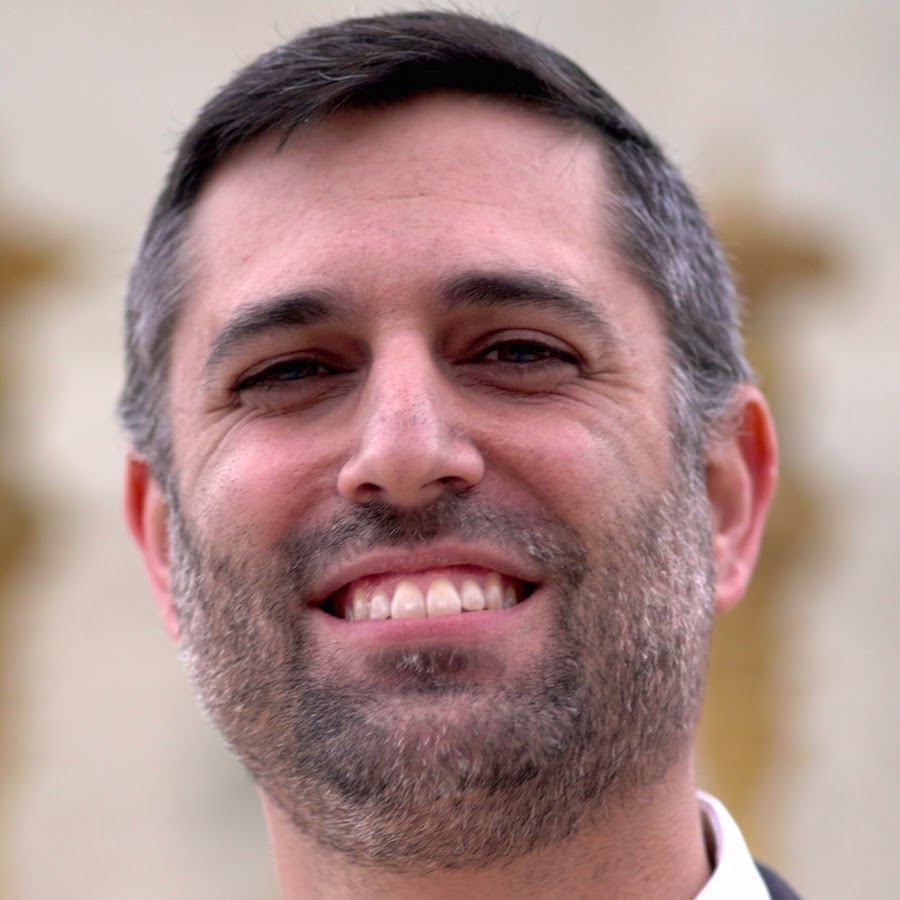
What are some of the things that are important to work on as we come to the end of the year leading up to Rosh Hashana? What is the root of the idea that a judge can not be a relative of the person being judged? What is the power that bias holds over us in our daily judgments of others, and how can we overcome that bias? What is the significance of the the concept of 'mishpat'-justice referring to issues bein adam l'chavero-between man and his fellow? Why is this on of the foundations of the world and of Hashem's Throne of Glory? Find out in this week's Parsha Podcast.
Comments(0)
Transcript
Auto-generated transcript. Not time-synced to the video.
listening to the weekly partial podcast
with Ari goldwag recorded with hm's
nunning assistance in R Israel 5784 2024
this week's par is par show team and I'd
like to share with you the very first
piece in the medes and another piece
that's referenced by the Maru and if
few and I want to say before we even get
into
theim we're going to speak about Mish
we're going to speak about
Justice we're going to speak
about fulfilling our obligations between
ourselves and
others between ourselves and God and
we're here at the beginning of
el and we have it's the one month
countdown to rashash and yum
Kipper and on rashash and yum we talk
about we talk about God who is the king
of Justice God who is the king of you
know rashash shipper we're judged we
know this
idea and I want to talk about what is it
what is the concept of Justice what is
the concept of being judged and I want
to kind of frame it in a way that might
be a little different from what than
what we're used to and point out the
importance
of between ourselves and others the B
lak part is important of course between
ourselves and God but B
between ourselves and other human beings
is also a very essential point which is
what we're going to speak about and I
also want to point out which I mentioned
in the ban podcast that El we think of
el you know we start the the kids are
all starting school now so we think of
it as the beginning of next year we
think of rash as the beginning of the
new year which is
true but I'd like to point out and bring
to your attention and offer for
contemplation that El really and
really is the end of the previous year
right rashash yes we talk about how
we're going to be judged for what's
going to be in the coming year but that
judgment is based on what happened in
the previous year and so a lot of times
we find ourselves scrambling we know
with
with prayer and repentance and charity
those are things that flip the
Judgment but you know we have a
30-day uh countdown like I said and we
have an opportunity right now to make
the end of our year which is really the
summation of our year to make it count
and make it significant and show that
what what was everything that happened
before this year was a leap year and we
had a very challenging difficult year
for
Amel nationally
individually but what did we take out of
the year is the time when we have this
kind of sum
up we're back in Yeshiva we're back in
the B medish we're thinking about chuva
we're thinking about we're
saying is my light hasem is the one who
supports us in our Wars and our
challenges we're talking about it we're
hearing the Sher we're being called to
wake up so want to talk about and try to
understand and especially in the context
of el
the idea of and the idea of judges and
policemen so let's study this together
the
says very beginning of
ourem instructs mosha to instruct the
Jewish people that we are to have judges
and we are to have those who enforce the
judgments enforce the ti
enforce make sure that we are staying on
the straight narrow path
doing the will of hem you're supposed to
place them at all your
Gates everywhere where there are Jews
there are to be those who make sure that
we're doing what's
righted and that's true in regards to
our fulfillment of the tah between
ourselves and God but as we'll see the
concept of mish which is interesting is
called concept of
is related
to the job of the which is the same
language is a
of the judge his job is to make sure
that we in our relationships with others
in everything is fair and right and
correct and now the me tells us
something which is so important to
understand and there's aite here a
foundational principle which when you
hear it it's not going to sound new it's
not going to sound like oh I never
thought of that or I never heard of that
but it's something that's so important
to be brought out the beginning of the
which it's l so I'm learning where you
have to learn M try to be better he says
I'm not coming to teach you something
that you don't
know I'm coming to remind you of
something that you know but it needs to
be reminded we need to be reminded about
PR certain principles because if we
understand this principle we can
understand a huge
a huge open there's a huge opening that
comes to us it's a it's a foundation for
everything else now listen to this
IDE can you have a judge who's a
relative of the person who's being
judged relative of one of the people who
are coming in a court
case say
who is considered a relative in regards
to
judgment father a
brother an uncle from his father's side
his mother's side
Etc just like we find that you can't
have a witness who's a relative of the
person
involved the Torah forbids it we'll see
why why can't I have somebody who my if
anybody knows me it's going to my
brother if anyone knows me it's going to
be my parent they can't be a witness
they can't be a witness a relative can't
be a witness and a relative can't be the
judge where do we get this
from says that when a person
has I'm sorry
the K and the priests those who serve in
the temple they're from the tribe of Ley
they are the ones who hasem chose to
serve him in the mikdash in the in the b
mikd in the temple the Mish in the
Tabernacle they Bless the people in the
name of hem
interesting these are the ones that we
go to the those who know the will of
hasem who are serving hasem their whole
focus is serving God that's where we go
to when we have a question there are the
ones who know the there are the ones who
are able to decide if someone has become
leprous a Nega
leprosy it's very
important we see that when it comes to
court cases fights between people where
they need someone to
adjudicate the ptic places a court case
an adjudication together with
a case where a person needs to find out
if his leprosy is problem
problematic so what do we learn from
this connection from the fact that the
Torah places these two concepts next to
each
other first of all when it comes to
leprosy it has to be determined in the
daytime the Coen has to look at it and
see it in the proper light which is a
musall besides for being literal has to
be seen in the proper light it has to be
seen properly
so too judgments have to be done in the
daytime and just like when it comes to
to
uh to a Nega a person we have a cloud we
have a general
principle a coin can't look at his arm
and determine on his arm if if this this
dry skin here is a Nega is a
leprous a blemish a leprous
blemish and you can't see it on your on
your close relative either this is a
foundational
idea
way so too just like you can't see it's
you're what's called a nog interesting
the same word which means a Nega which
means a leprous blemish you are
blemished you're with you're
biased the brother of the guy the Coen
can not look at his brother's blemish
and decide if it's a blemish or not he's
biased he doesn't want his brother to
end up in beud in uh in solitude
right and the same thing with a
judge there's something called bias and
bias means that I can't figure out I
can't judge properly if I am weighted in
a certain
direction right we find even in uh in
current type of judgments not Alik and
and and bezen type but there something
called to
recuse the judge can recuse thems from
being involved in a certain case because
they recognize that they have a bias and
one of the major problems today is that
the judges do not in certain courts
recuse themselves when they have a bias
right they they don't admit that they
have a
bias but hear this and as
my would say you know this is something
that you're going to hear from me and
you're probably not going to hear it
anywhere else and it's a principle in
muser that a human being is Naga a human
being is blemished biased we have lots
of reasons why we judge things in
certain
ways we have reasons why we judge others
in certain ways we have reasons why
certain things are pule to us certain
things we consider to be wrong other
things to be right and has to do with
our biases and how we feel about
ourselves and what the ramifications are
there are so many things that weigh our
hearts and our
judgments it's so important to know this
let's say an example of something to
think about to contemplate we're upset
at somebody for having done something
wrong because our feelings were hurt
we may not realize that what they did
from their perspective was
right I don't I don't want to give many
examples of it you can think of an
example for yourself in your life but so
many times we judge others because of
our own feelings our own emotions and in
certain ways that's legitimate but other
times we judge up another person too
negatively because we were H we don't
ever stop and contemplate their side
it's an important principle we're
talking here about Judges the judges
have to be fair and they have to be
unbiased or they have to recognize their
bias and recuse themselves or according
to the ti you can't have certain people
be judges it's important to understand
that we are always
judging and we have biases and we need
to watch out for those
biases okay hold on to that
thought because it really comes out to
something very important let's see the
continuation of the m
says when it comes to din when it comes
to
judgments and I I add when it comes to M
it come has to do with between us
and it's called mishpat to do with
proper judgments and things being fair
and
right don't minimize the language of the
m is don't be malag which means to make
fun of don't minimize the importance of
D of Judgment of
righteousness it's one of the three
foundations of the
world the says
in in uh in the ethics of our fathers
mishna
says that there are three things upon
which the world
stands on Jud
judgement on truth and on peace and if
you look in that mishna if you look at
thefor there they explain d means the
general principle that we look for
what's right when it comes to our
relationships with others if it seems
like we've done something wrong we
search for we search out what is the
correct who who to whom does this money
belong if I have an argument I say the
money is mine and you say the money is
yours well we want to know the truth
right that's seeking out what what's
true and what's right Ms we need to tell
the truth says the rav on the mishna we
need to say what's right we can't lie to
our friends we
can't use a falsehood in order to gain
what we want in life and the third thing
is peace seeking out to
indeed have peace between us says
between
nations and also between individuals
so what do we see we see that then the
concept of mish and and making sure that
things are right in our relationships
between ourselves and other people it's
a foundation
of the
world we have to be careful if we don't
do what's right if we don't seek out
making sure that we're
aligned in our Rel relationships with
others I'm not taking money that's not
mine I'm not causing damage to
somebody if my if my tree if my Bogen
vilia has climbed up into someone
else's uh air conditioning unit I got to
make sure that if it's my responsibility
because it's coming from my property
that I take care of
that this is called in this is
and this is the foundation of the world
if I don't do that the whole world
shakes whole world
Quakes now listen to this because this
PK that we're about to quote is actually
a prerequisite for what happens on
rashash we're talking about rashash
because the beginning of el 30-day
countdown thek says how do we know
that not only is it a foundation of the
world but really it's the foundation of
the God's Heavenly
Throne the concept of being right with
others it's the foundation of the
Heavenly
Throne
says in Psalms
89:15 rightousness and
judgment that
means to between ourselves and God
between us and our
fellows are the foundation of your
throne these are the foundations of
God's
Throne kindness and Truth are if a
person is aligned with kindness and
truth that means I'm doing what I'm
supposed to do in my relationships with
others in my relationship with Hashem
and I can come before Hashem and I want
to read to you the continuation of the
right after that say the ver says King
David after speaking about getting right
being in right relationships with
ourselves with between ourselves and
Hashem between ourselves and God between
ourselves and others what's the next
line praiseworthy is the nation who
knows the the chauffeur
blast these are the verses that we read
immediately after immediately after
hearing the sh blast right before Ash
right before we go into M these are the
verses in hasem in the light of your
face we will
go in your name we will rejoice all day
long and in your righteousness we will
be raised
up you are the Splendor of our
strength we want to we want our honor to
be raised up
hem is our protector the Holy One of
Israel is our
King you want to know how we Merit you
want to know how we Merit protection we
need protection whether we're in Israel
the land of Israel we need we need that
protection whether we're
in and we have students who are going
out to college
campuses we need protection how do we
get protection the P before is the pic
that we're quoting here in our medish
the way we get protection the way we get
to to to that sh is
through aligning with hashem's Will and
aligning with hashem's Will has to do
with doing the laws that has to do with
what Hashem expects of us between us and
him and doing the laws again again I'm
saying it over and over again because
it's so important between ourselves and
our fellows it's much easier to say to
God
look I
between me and you it's much it's that's
very easy to say because God understands
he's our father he loves us it's much
harder to go to the people in our lives
we may have wronged might be now it
might be 10 years ago 50 years ago
whatever it's much harder to to
get get aligned with hashem's will when
it comes to between us and our our
fellows but that's how we get to rashash
this is what the the type of work we
need to do at the end of the
year right how did we get into this mess
when I say mess I mean nationally
individually how did we get into our the
troubles that we face it's very clear we
can trace it back to be another between
ourselves and our
fellows to not having the respect for
each other
not loving each other
enough and and and I'll say and you
might say too I'll say hey it's not the
guy's fault he wasn't nice to me he
disrespected
me but I'll tell you a secret first
there's a
concept which means that there's a
reflection between my the way that I
look at another person is how they
reflect back in
me if I change
myself if I take credit for my part for
the things that I've done wrong it
changes the whole the whole picture that
other person might not
apologize or they might apologize
insincerely but when I change myself it
changes the whole
thing was heing God says look since the
concept that we're talking about here is
so
important so serious the whole world the
foundation of God's Throne that means
the place from which God rules over the
world and that means his manifestation
of the
world we are making God our King that
means we're saying God we want you
Hashem we want you to manifest through
Us in the
world that's what the truest are that's
what these Sher blasts are it's God
you're the king
but the prerequisite for
the is
first we need to
have alignment we need to be in line
with really what we know ourselves we
should
be between ourselves and
hasem between ourselves and the human
beings in our Social Circles to
ourselves and those around us
this is this is
ABCs and and let's not forget the bias
the bias hey I was hurt the bias that
causes me to judge
others a brother can't be a
judge and the person himself can't be a
judge I can't judge properly another
person if I've been
hurts I have to I have to make make
incredible intense efforts to try to
understand somebody else I'll tell you a
little
secret talked about he talked about the
fact that you know sometimes people are
upset at us and we didn't even do
anything wrong sometimes
people have their
Hang-Ups but it affects us why is he
upset of me didn't do anything wrong and
we start to feel negative towards that
person for example
how do he get out of that so would tell
a story that a particular individual
didn't tell us obviously the name of the
person but he he he was he expressed
animosity
towards for no reason no real good
reason whatever it wasn't clear exactly
but went out of his
way listen this is
called this is an incredible mus
principle he would go out of his way to
do this person a favor without him kn
about
it he would go he would take the
garbages of his friend of this
individual he would take the garbage
cans when they were when after the
garbage was picked up so the garbage men
would just leave them on the side rep
would take the garbage cans and put them
on the side of this individual's
house did him a favor the guy didn't
even know about the
favor the the person was probably
mystified as to how his garbage cans
always ended up on the side of his house
and said I was a free man I'm a free
man I can do a fa I can clean it up
obviously if there's a there's been a
some kind of negative interaction
between people we need to clean it up
and apologize and that's very hard it's
it's probably one of the hardest
things but I'm also offering you another
thing another
tool talks about the the Bali mus talk
about do the person of favor without
without them knowing about it
don't think and don't make the mistake
it's easy to make a mistake I'm going to
I'm going to do them a favor even though
they were mean to
me that's not the
point that's not the point to be to be
more righteous than them that could
exacerbate the
problem okay that's the principle here
and I want to read to you one more thing
in the Mish I know we're running out of
time but I'd like to read to you one
more small thing in the
Mish which is reference
by the
Maru M says like
this speaking of laws and speaking of
what is the idea of
judgment the Ping says in in Psalms 71:
1 and two
the song of King
Solomon God gives judgments to the
king judge your your nation with
righteousness
from says rebi says rebi we have a
concept of a comparison between the The
Ten
Commandments The Ten Commandments are
compared to the concept of d the Torah
places
in idea of the Ten Commandments
commanded the Jewish people and right
after that it talks about the Mish and
the
laws the laws how we are to behave
between ourselves and others why it's
saying that there is a lot have to do it
between us and
God your God shall not have any other
God before
me just as the were heard by the Jewish
people and given over at Mount Si so to
the laws not just between us and God but
the laws between ourselves and others
these are also equally
Divine why is it so important same idea
as we see over here that the world is
dependent on these things
says God founds the land the foundation
of the Earth Earth the foundation of our
societies
is understand like for example the
negativity of the media the the gossip
the the the destructive speech that goes
on in the media social media that's
that's very big that's has to do with
Nations and and political figures but
think about it even on our WhatsApp
groups and in our sending a message a
negative message heaven forbid about
other
people that causes the the world to
Teeter what holds up the Earth is mbot
is proper behavior between ourselves and
others you want to know what's holding
back Jerusalem from being
built the B from being
built the the that which causes
Jerusalem to be redeemed and to be
rebuilt is mish is our proper behavior
between ourselves and
others and this is the things that makes
righteous people great who's that sadic
who's a righteous
individual Ash
Mish praiseworthy is the one who keeps
Mish and on those there explain there's
Mish and
there's Mish has to do
with has to do
with to our eles and our fellows between
ourselves and
our you want to be a sadic we want to be
a sadic we want to be
righteous but we have to be well-rounded
righteous
individuals we have to work on our of
course we do and that's and that's all
of the the all the things speaks
about but there's
this between ourselves and others
that's the foundation of the world
that's what holds up God's Throne when
we come in in 30 days from now to speak
to Hashem and to ask for a better year
next
year let's finish off this year working
on our relationships between ourselves
and others I want to bless you and I ask
you to bless me Hashem should help us
that we should be able to work on these
relationships to do the tough work
maybe even try to be nice to somebody
without them knowing about it do an
extra favor as a first step
towards apologizing to them and taking
credit for the mistakes that we've done
without any expectation of them taking
credit for the mistakes that they've
made some should help us to be able to
man
up to be able to recognize and to work
on giving other people the respect that
they deserve and sometimes the money
that they deserve because we got it
perhaps in an illegitimate way should
help us to own up to be the amazing
human beings that we have the potential
to be to create a a solid foundation for
God's throne in the world thank you so
much for listening have a wonderful
shamas this podcast was made possible
through the gracious donations of
listeners like you for more podcasts
like this please visit
www.wag.com or search on iTunes Ari
goldwag
[Music]